Case Studies.

Proven thinking.

Third Street
Promenade.

Santa Monica · 2025 · Ongoing

A district-scale hospitality strategy built on collaboration over competition.
The model for how hospitality districts evolve in difficult markets.
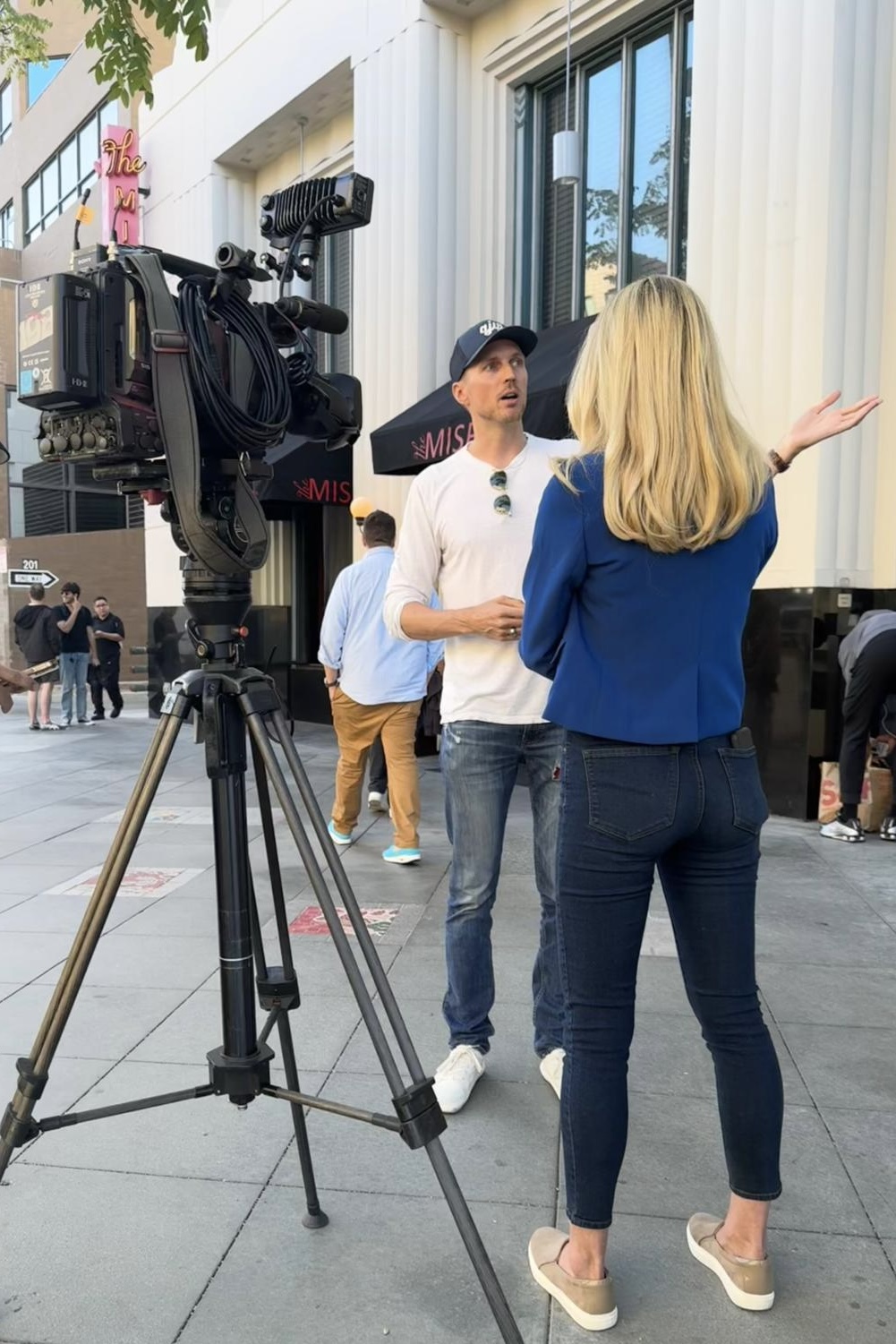
Fox 11 News · FeaturedClick to unmute

The Opportunity

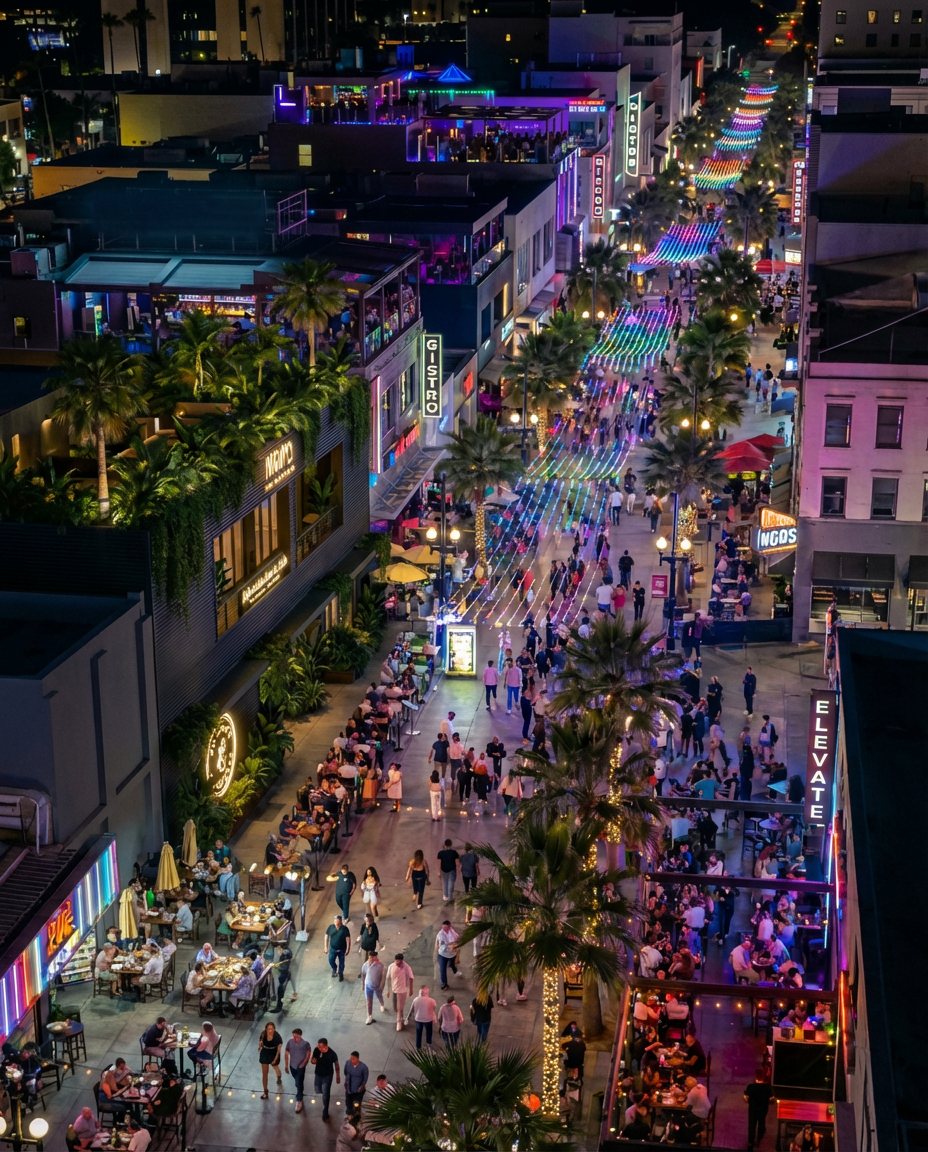
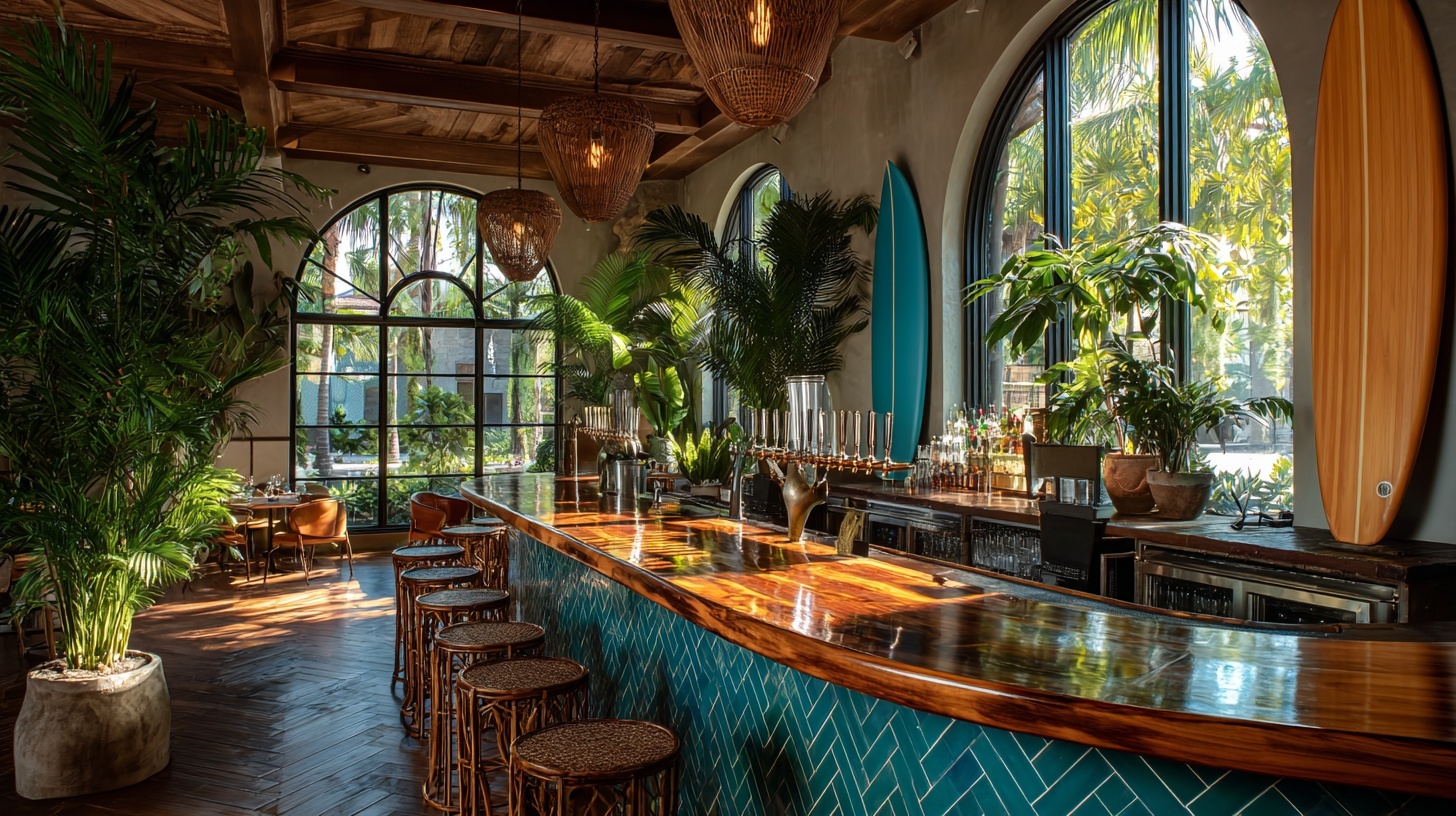
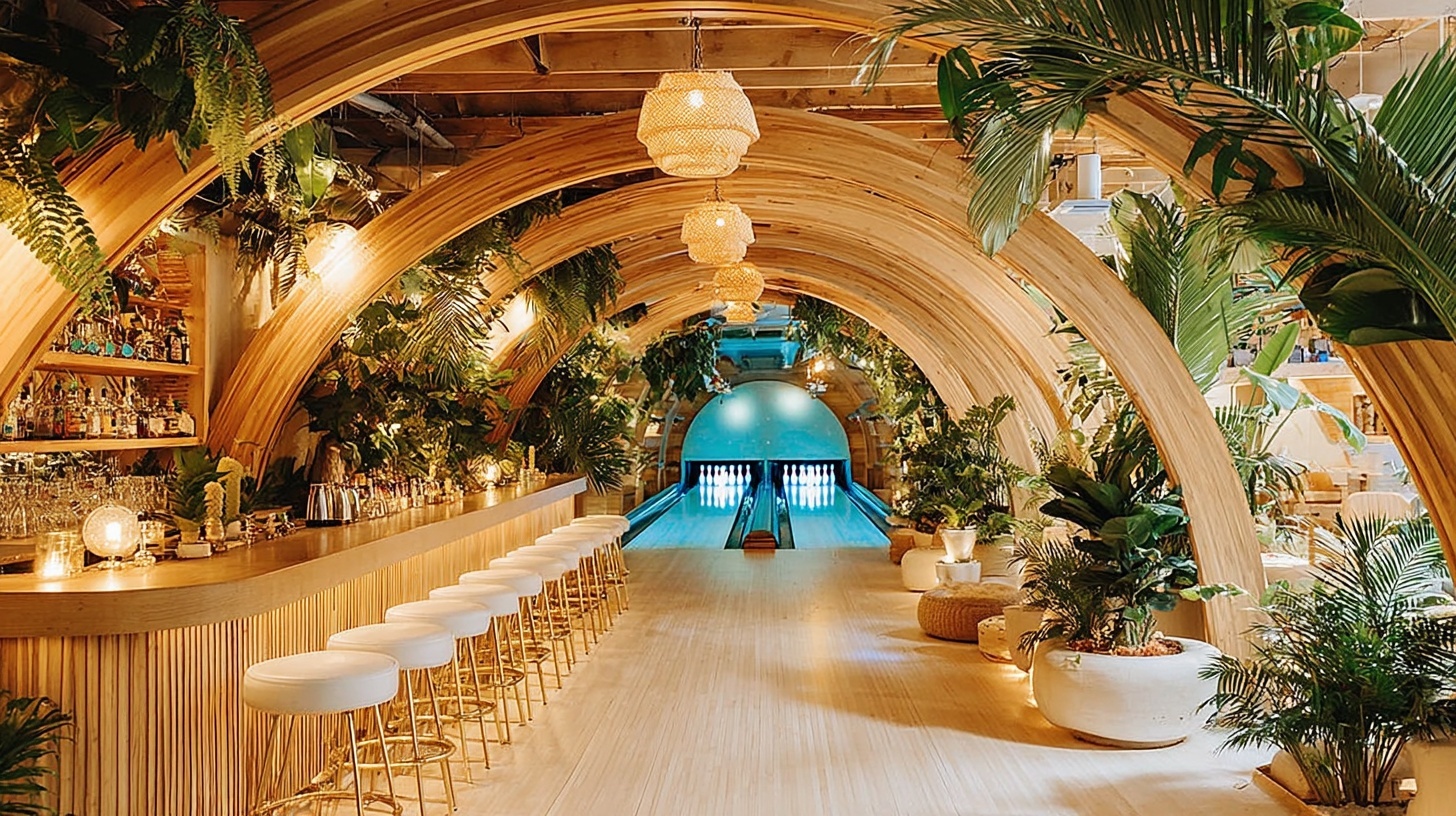
Third Street Promenade is one of the most iconic, walkable retail districts in Los Angeles. Foot traffic, history, location - every fundamental that hospitality is supposed to need. And yet, for years, it has been fading. The opportunity isn't to open a single venue on the strip. It's to rebuild the strip itself.

The Problem

Districts like Third Street rarely fail because of bad real estate. They fail because they're operated as a collection of accidents - fragmented operators, no coordinated standard, no rhythm. Each venue competing for the same shrinking foot traffic instead of compounding it. The result is what visitors see now: empty storefronts, tired programming, no reason to stay past sunset.

The AJW Approach

AJW has been working with the City of Santa Monica, the Downtown Santa Monica organisation, landlords, and operators across the Promenade since 2025. One coordinated district. One operating standard. Programmed across the day, built around the three years LA has coming - the 2026 World Cup, the 2027 Super Bowl, the 2028 Olympics.

What Was Created

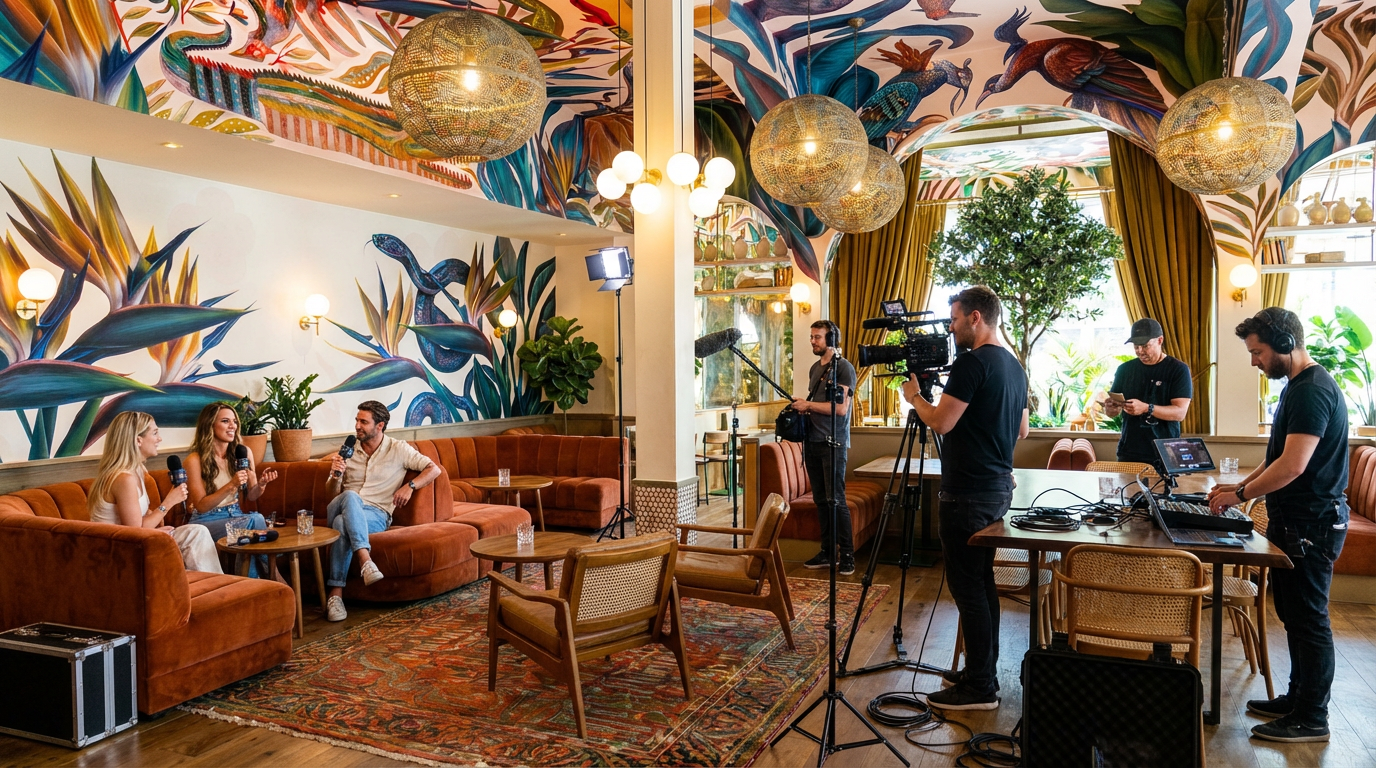
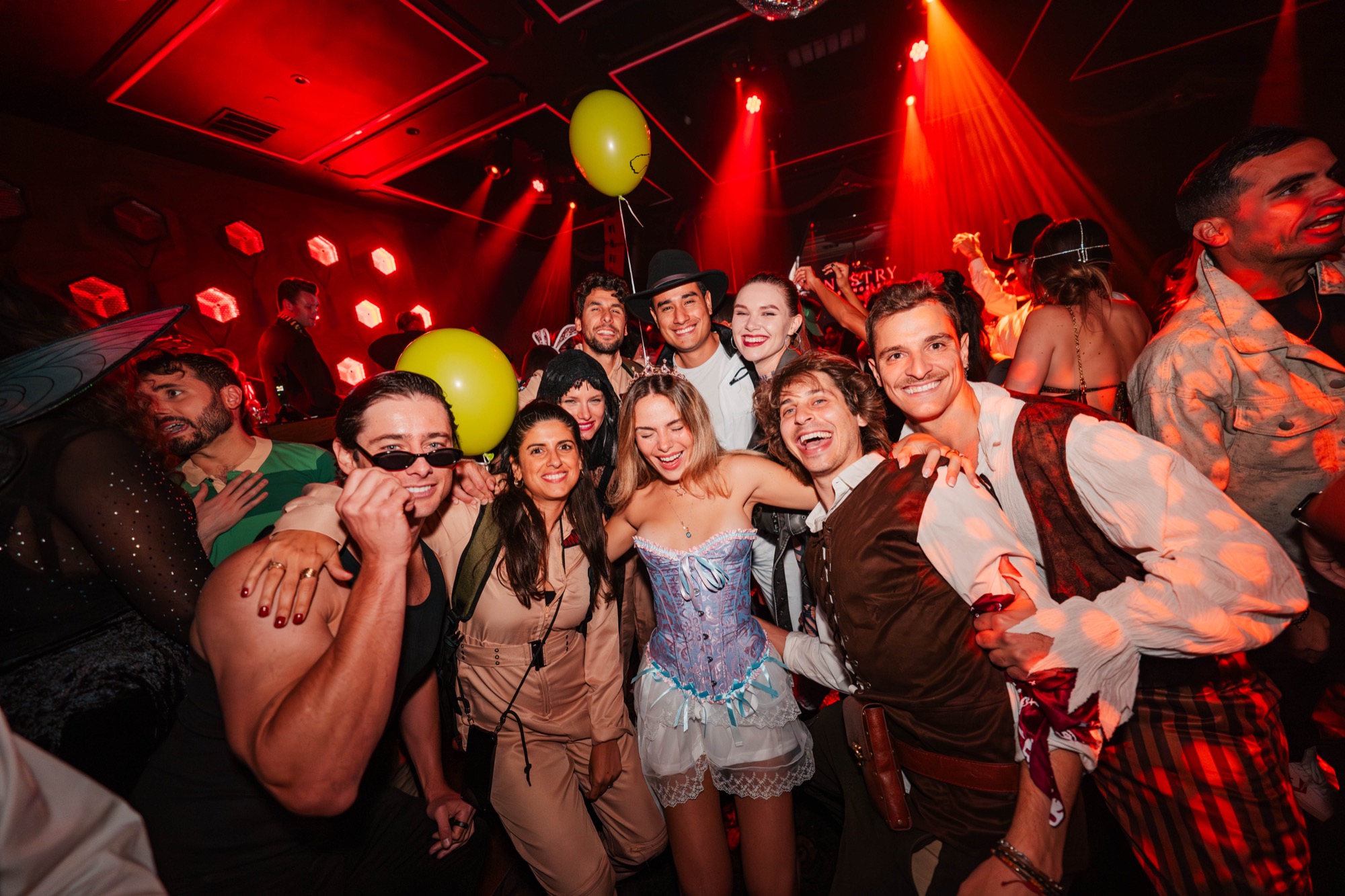
An operating framework for the district. An operator and investor pipeline. Live activations: the Day of the Dead event, the Holey Moley launch (2,000+ RSVPs). Coverage on Fox 11 News. Active deals on multiple Promenade venues, including Cause & Cure.

Strategic Value

Hospitality at district scale doesn't require consolidation — it requires coordination. Independent venues working with each other instead of against each other, programmed to compound rather than compete. The model for how hospitality districts evolve in difficult markets.
Discuss a similar engagement

Melrose
Place.

West Hollywood · 2022–2024 · Engagement closed

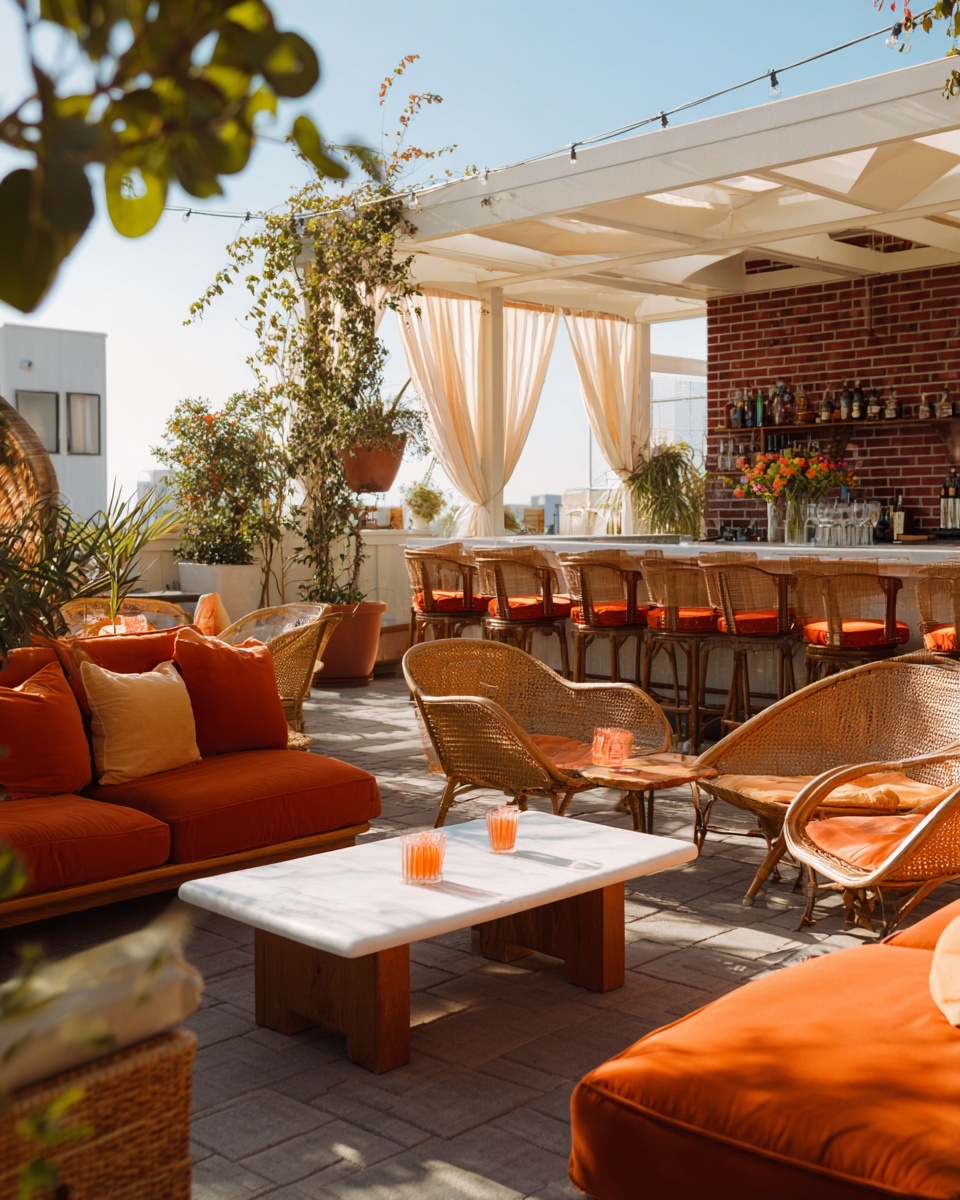
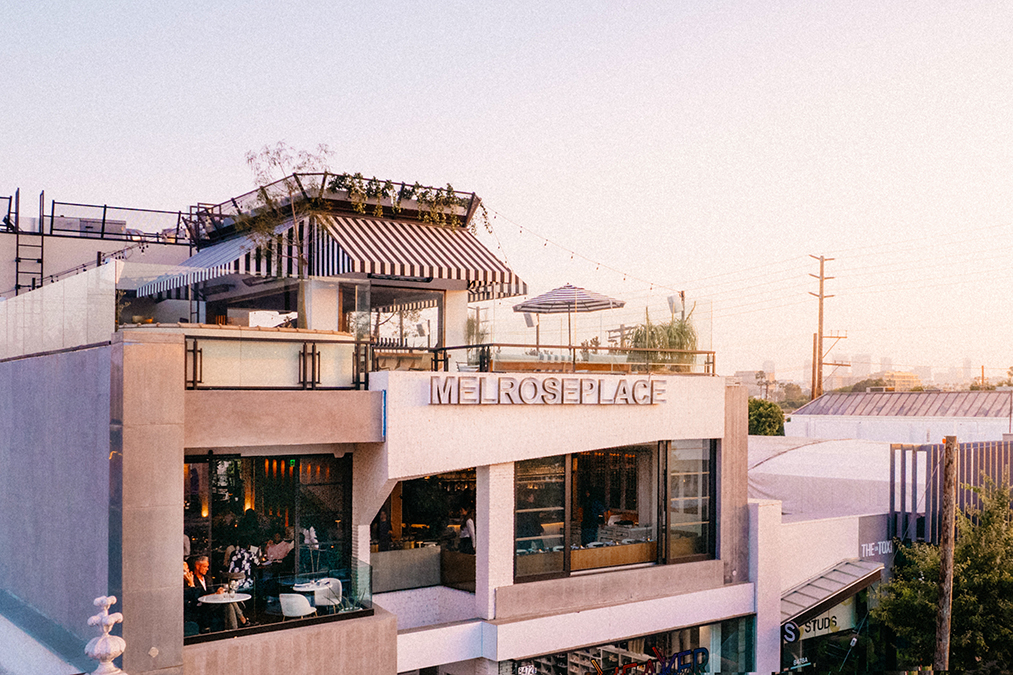
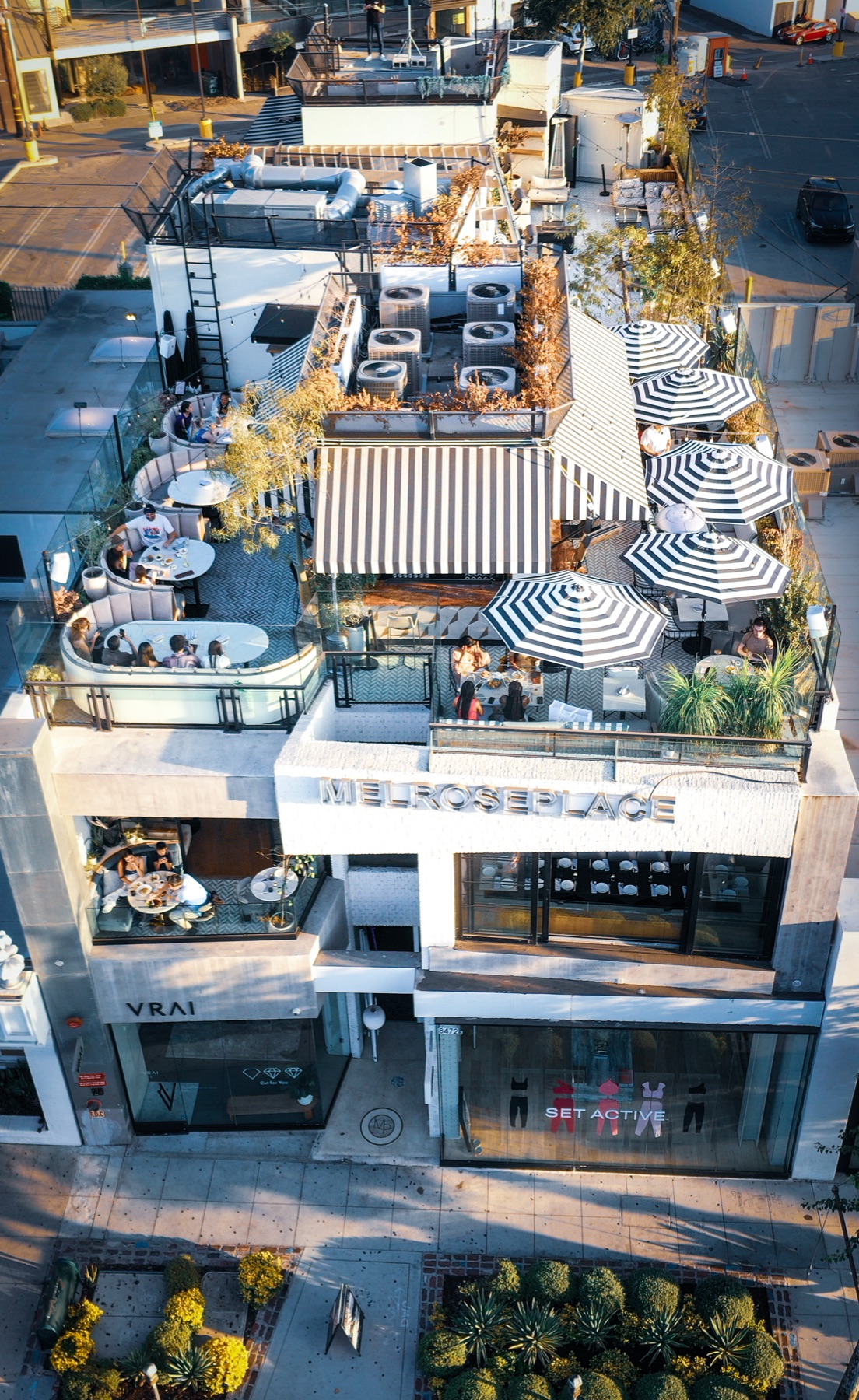
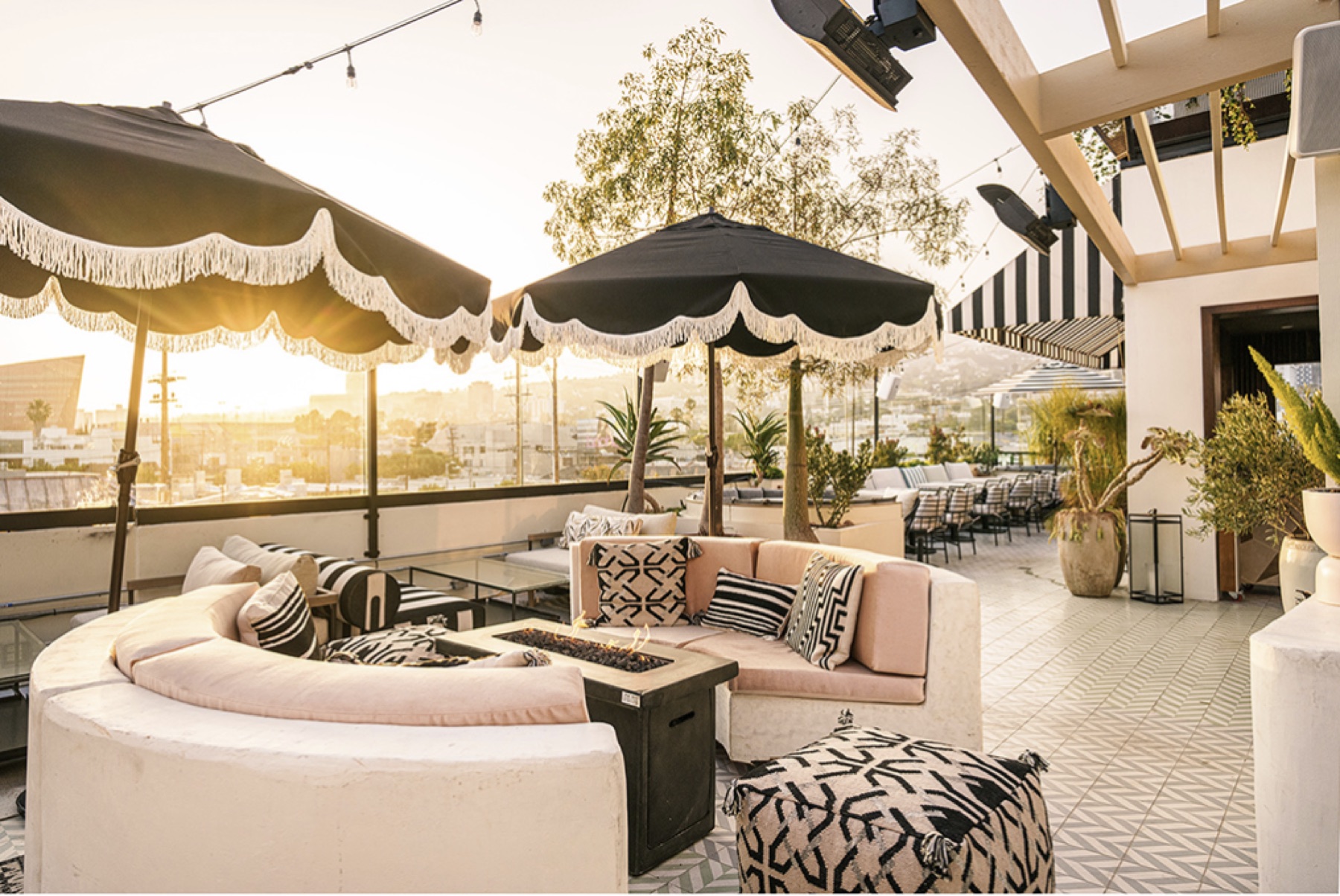
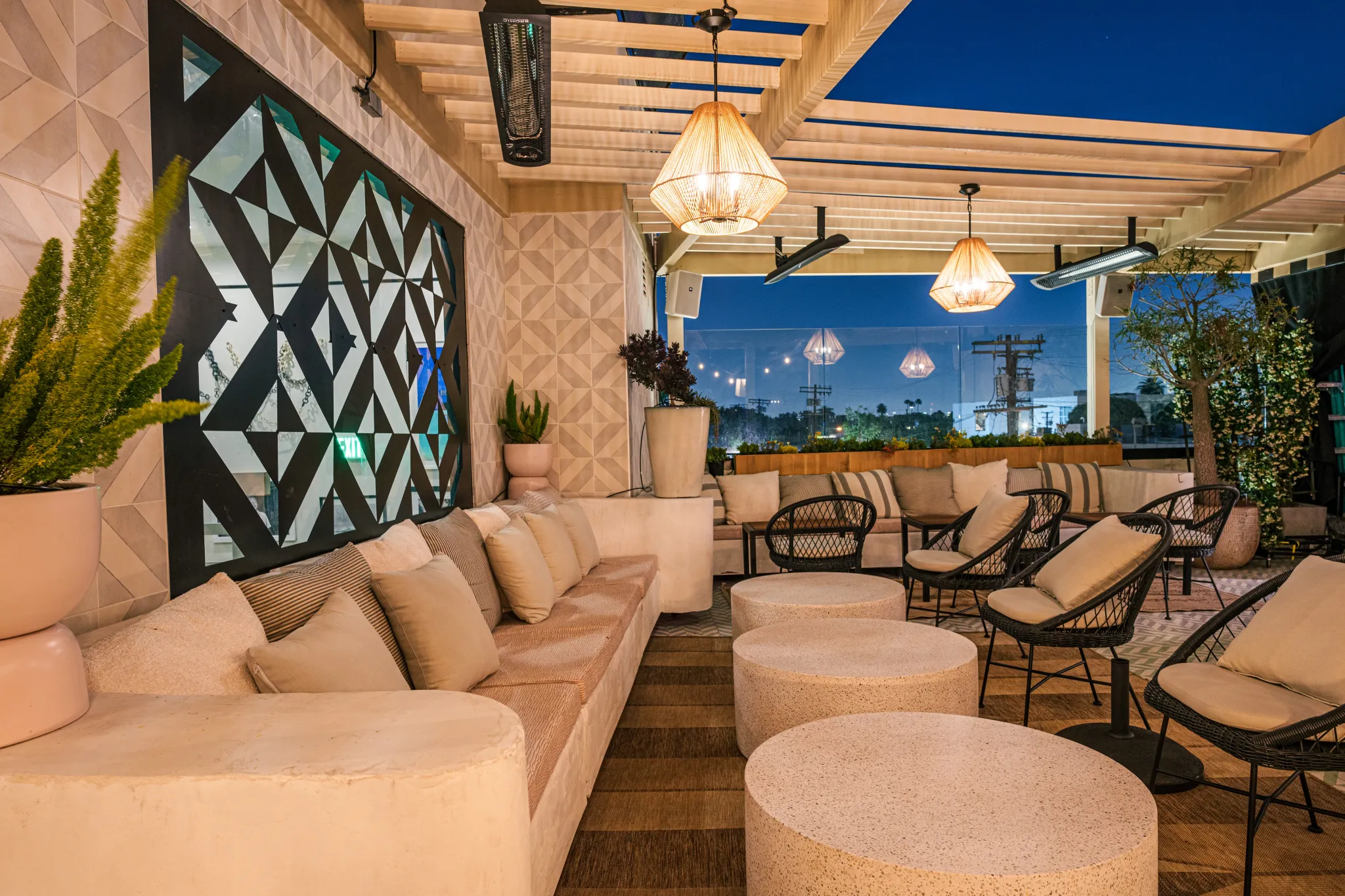
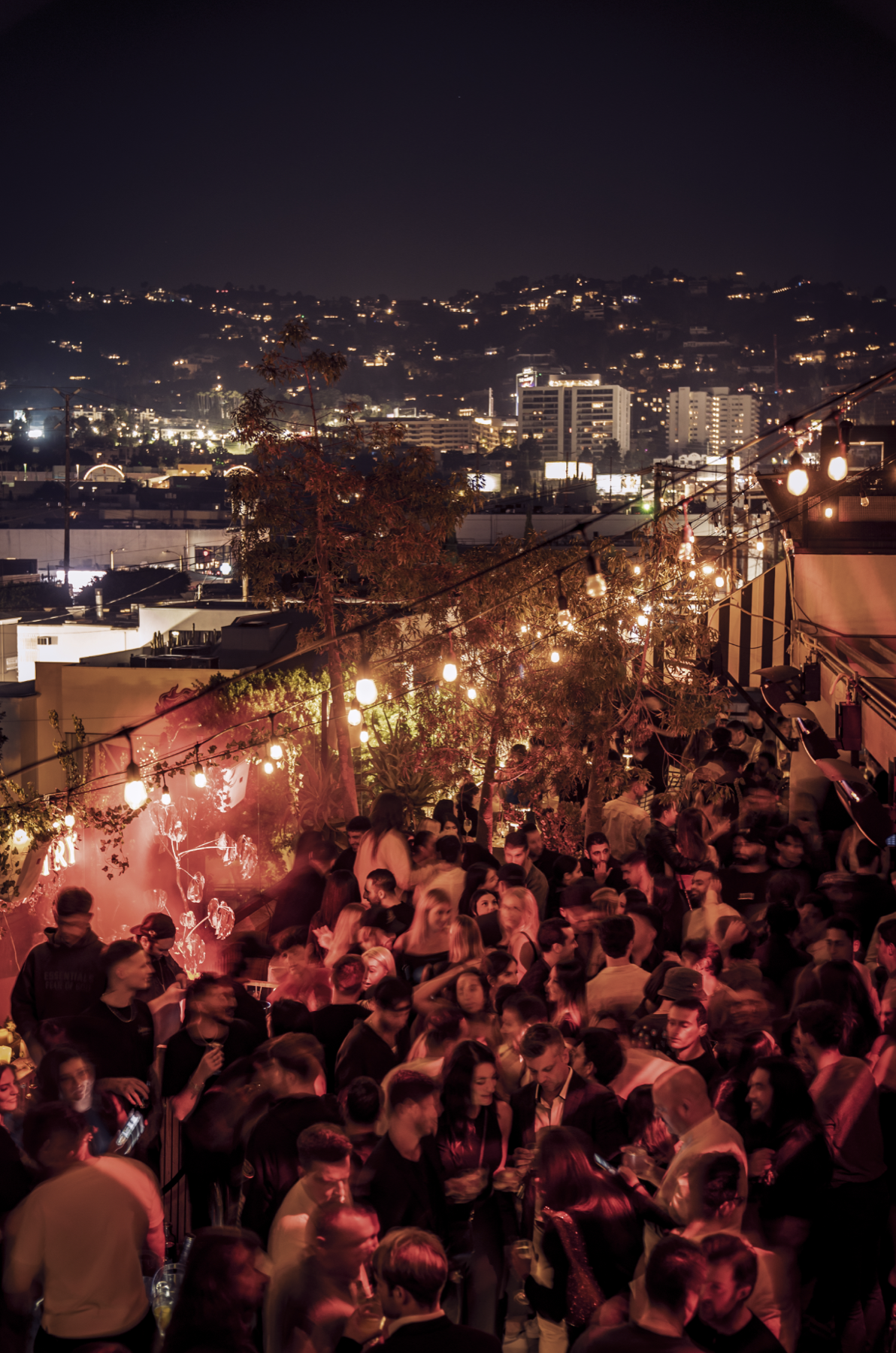
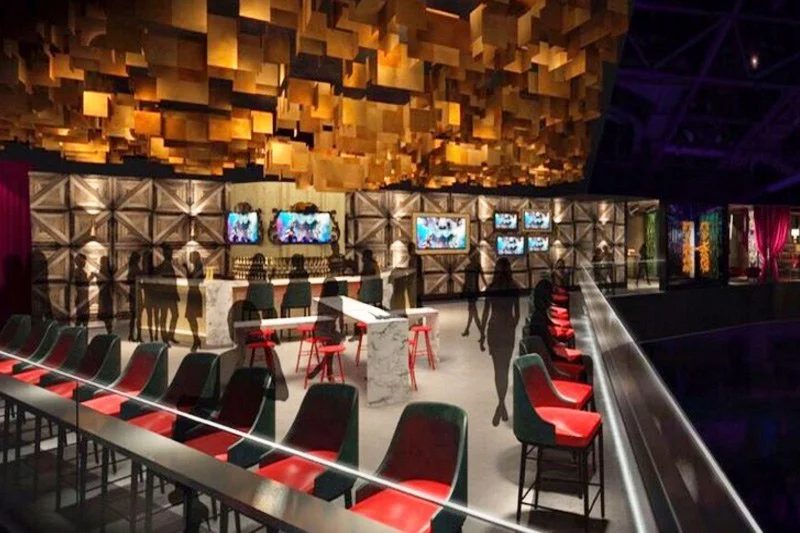
A West Hollywood rooftop lounge and restaurant, split across three floors.
Rebuilt from the inside out.
The Opportunity

Brought in by the owner - a former colleague from SBE. The venue had everything going for it on paper. Three floors, a rooftop, prime West Hollywood location, established name. Inside, things weren't working. The opportunity was to turn the venue into what it had the potential to be - fundamentally an organisation, structure, and systems problem. Once those were put in place, the room could deliver.

The Problem

The venue had been through a rough stretch. Staff and management had walked. Theft was rampant. The beverage program was overengineered for what the team could deliver. Saturday revenue on the rooftop was running between $3,000 and $6,000 all day. Without intervention, the room couldn't hold its audience or its team.

The AJW Approach

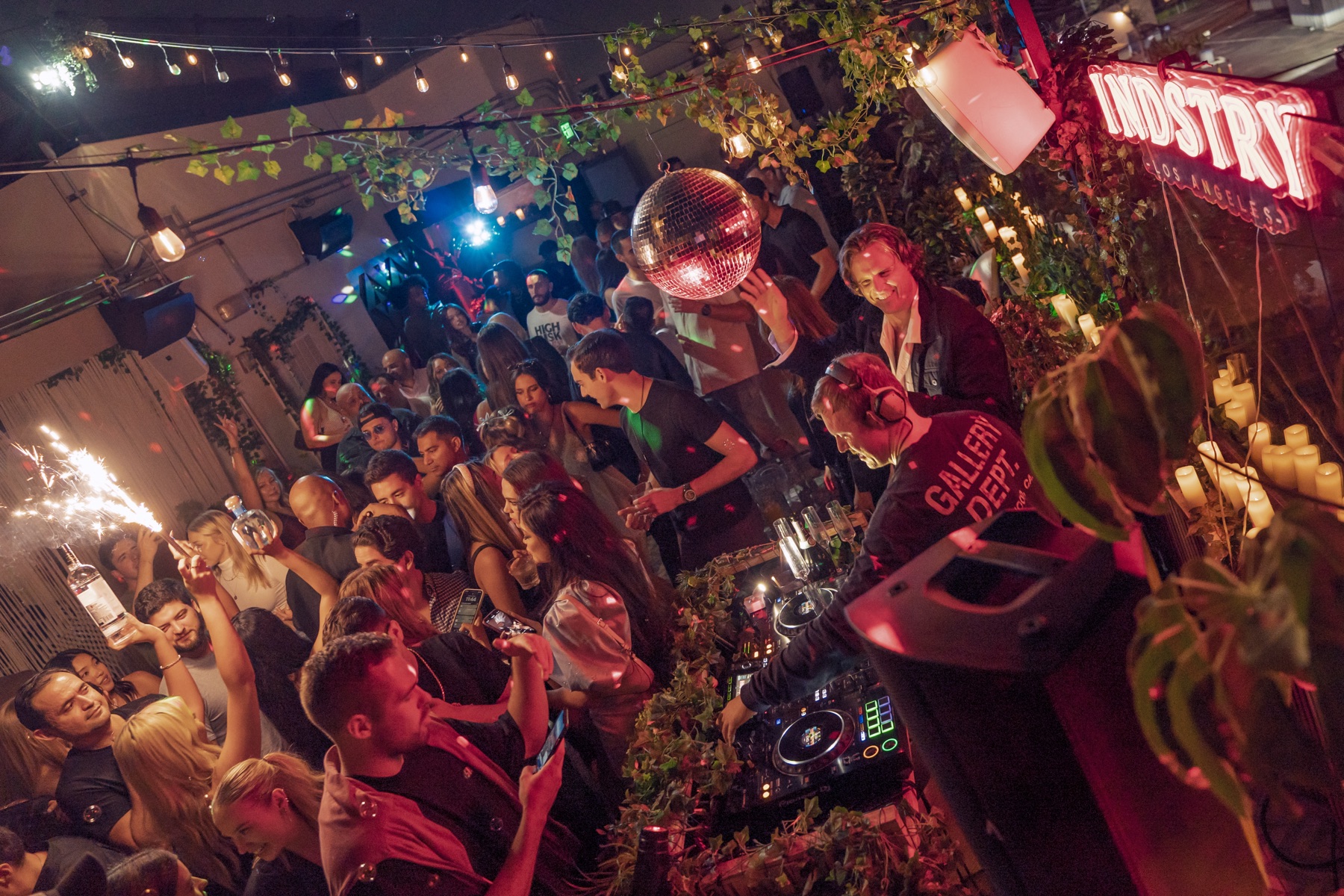
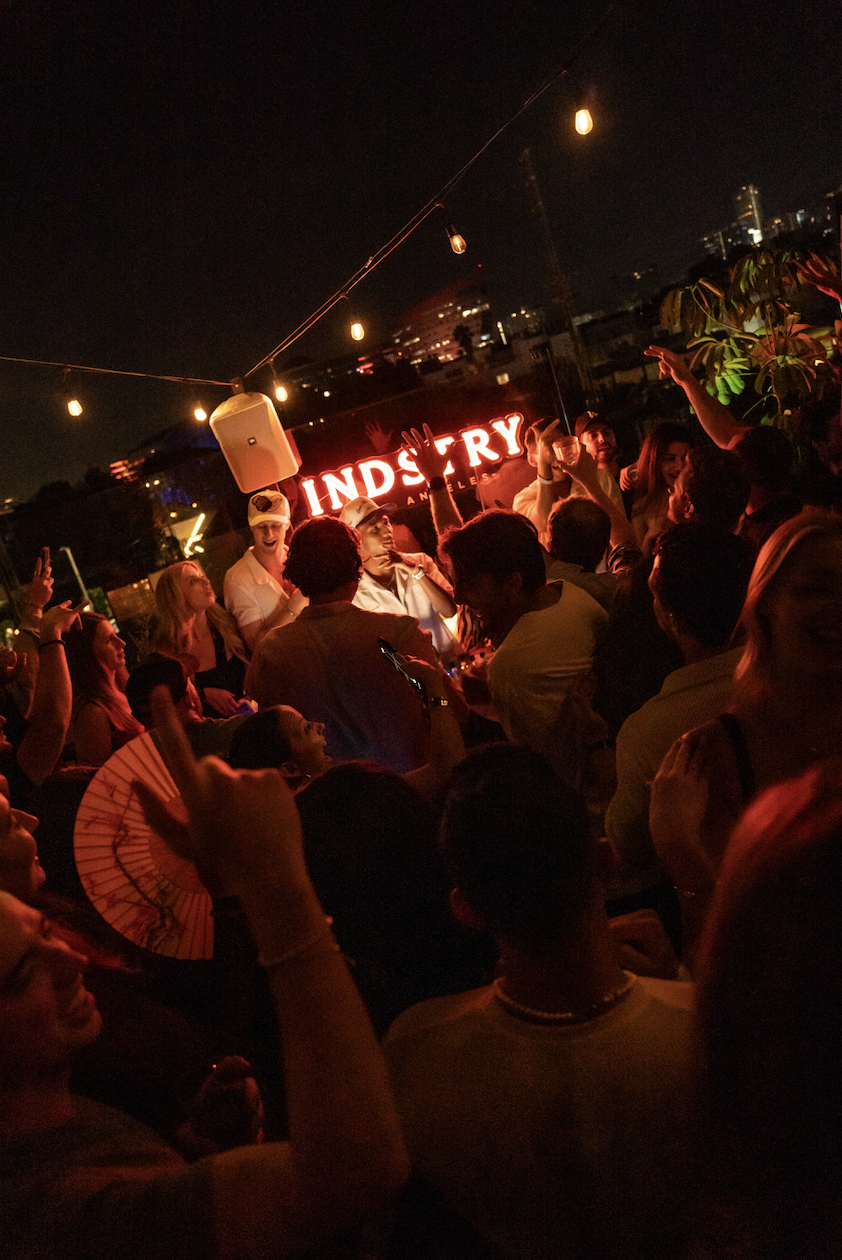
Came in initially as a consultant. The work led to the Beverage Director role - full operational responsibility for the bar, the team, the brand partnerships, and the cultural programming. Built the structure the venue had been missing. New systems for inventory, service, and floor management. A cocktail program the team could actually execute. A culture the team wanted to be part of. Brand relationships rebuilt. The cultural programming was reorganised around an in-house concept that became INDSTRY Los Angeles.

What Was Created

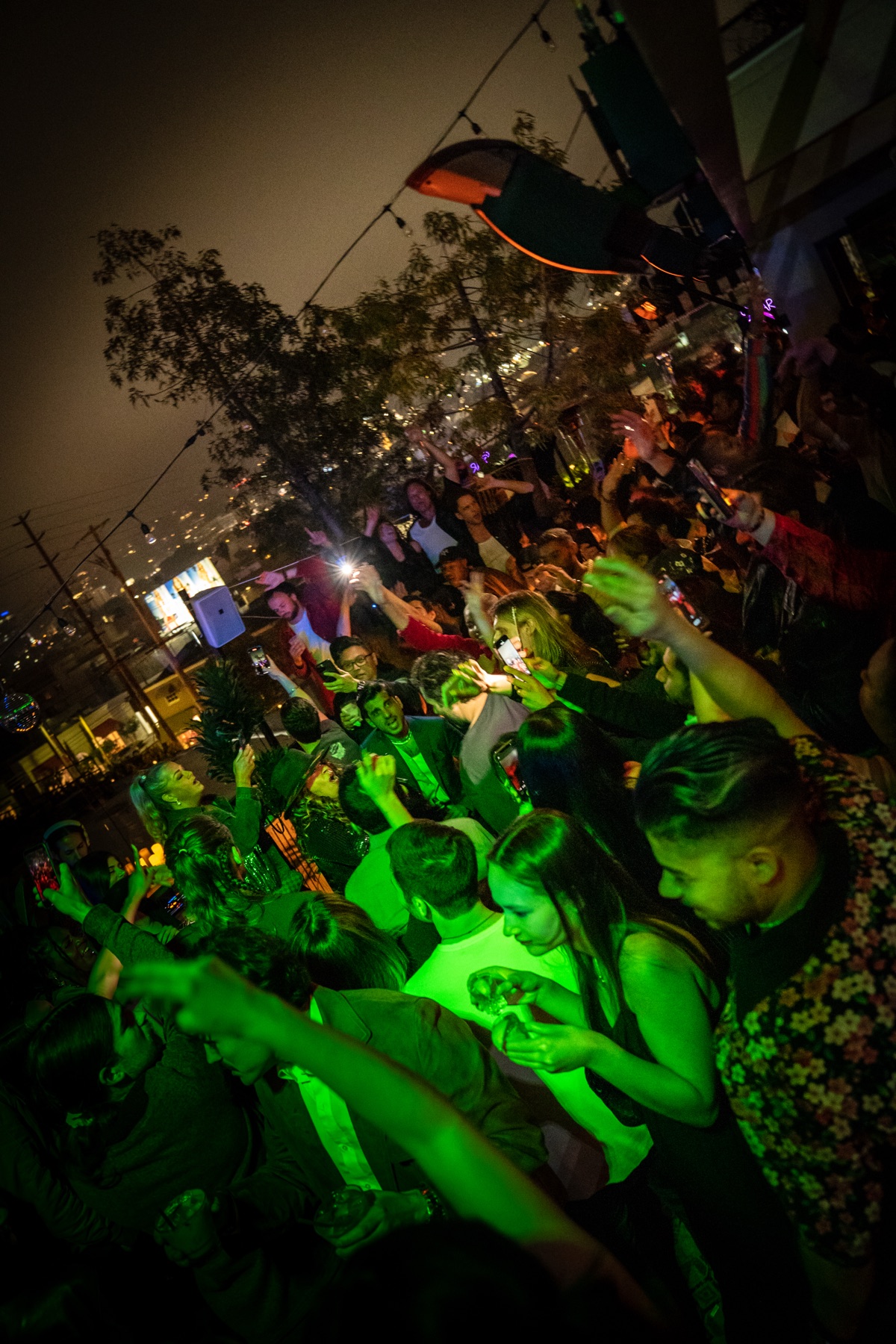
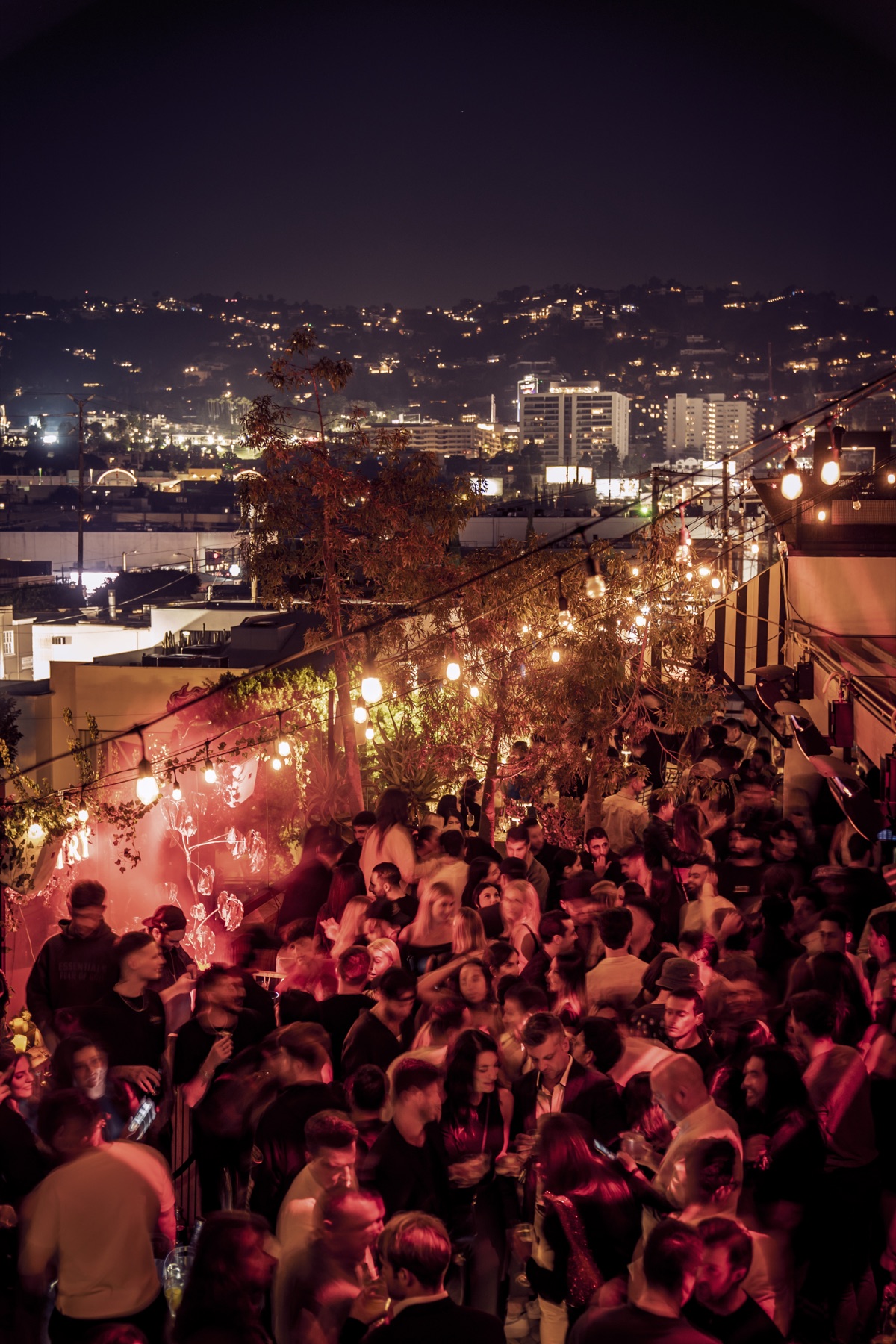
Saturday rooftop revenue rose from $3,000-$6,000 all-day to $15,000-$25,000 from 9pm to 2am only - and held there consistently across the engagement. The restaurant added revenue alongside. INDSTRY launched out of the engagement and went on to scale across LA after becoming the number 1 hospitality night in Los Angeles.

Strategic Value

The AJW approach, executed end-to-end. A venue in trouble, a sustained engagement, documented revenue results, and a cultural property born out of the work.

Discuss a similar engagement

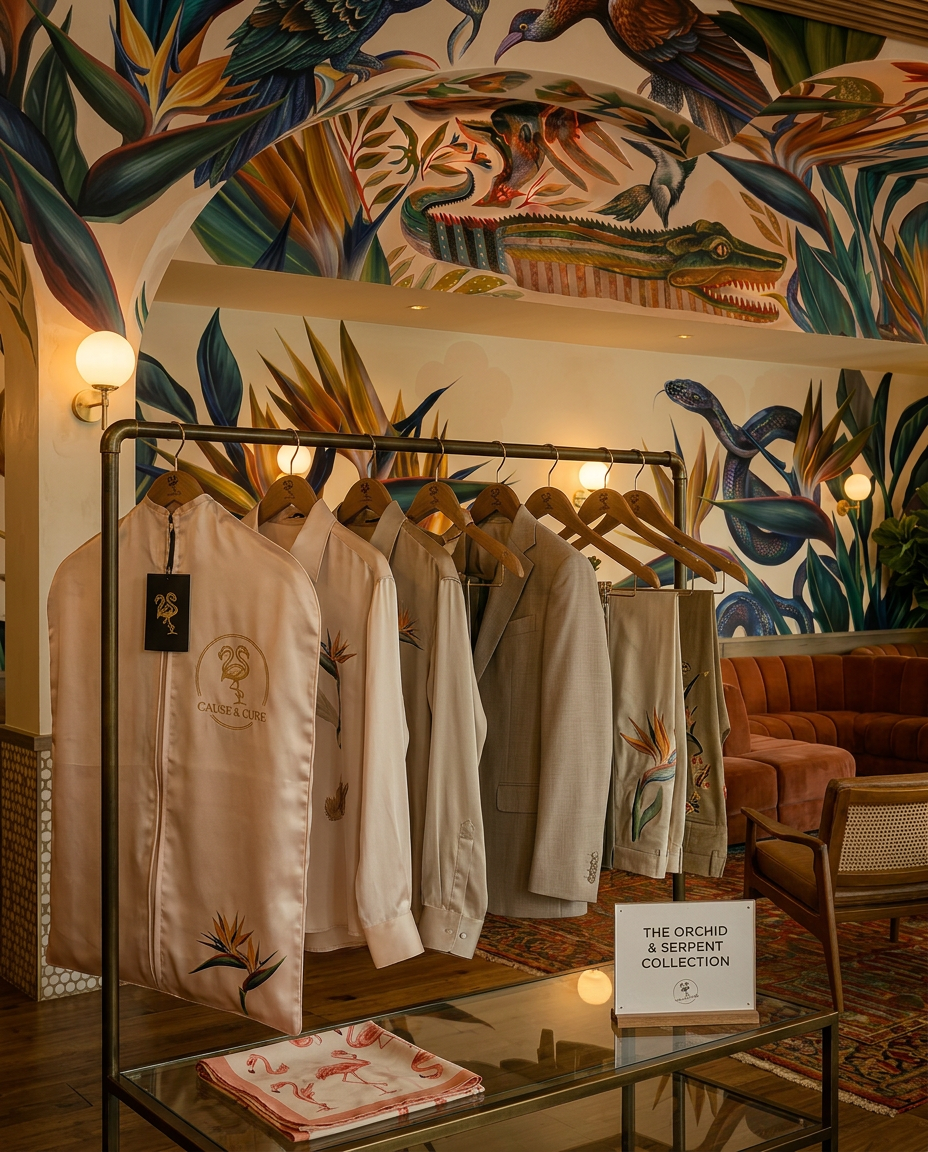
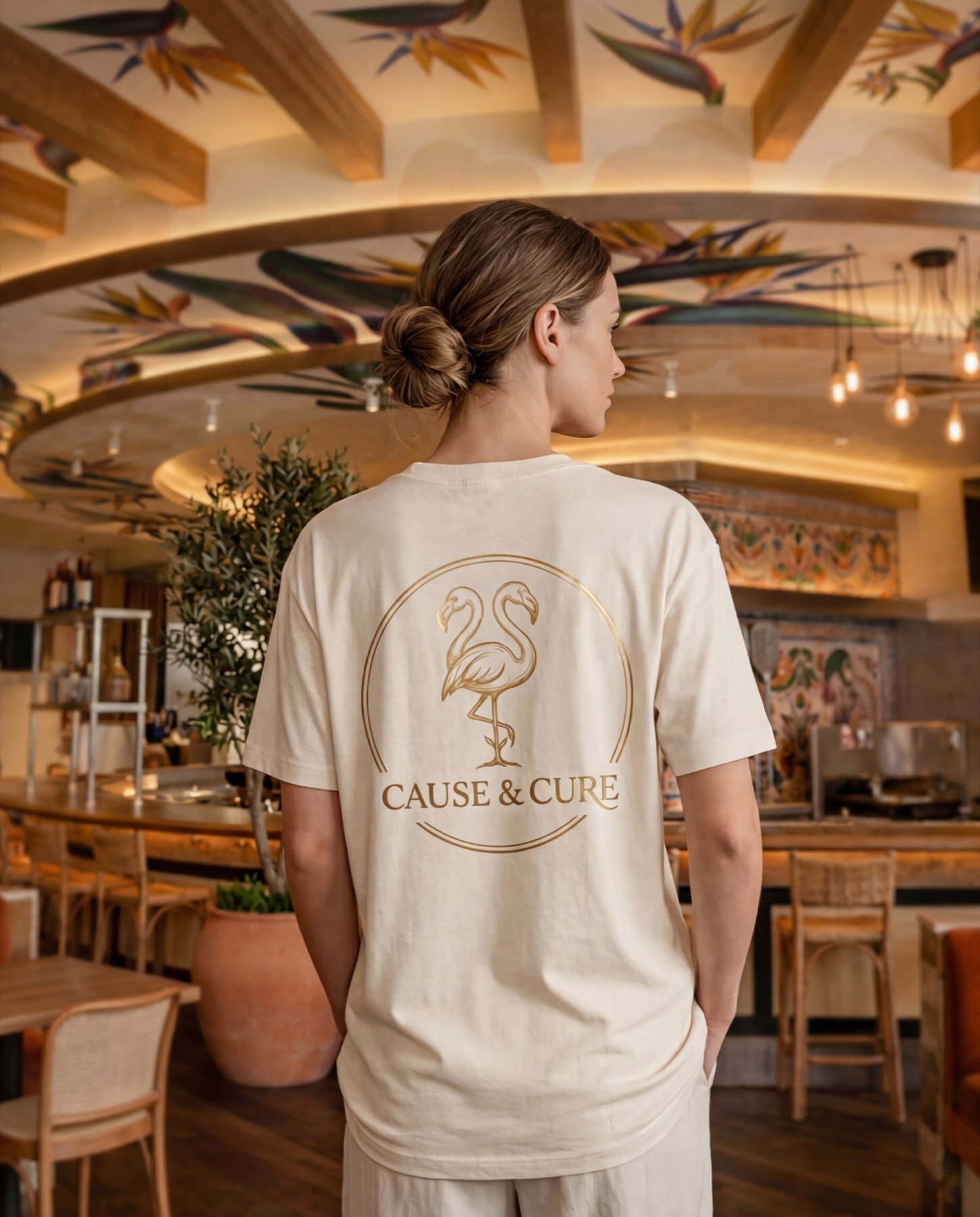
Cause
& Cure.

Santa Monica · 2026 · Active

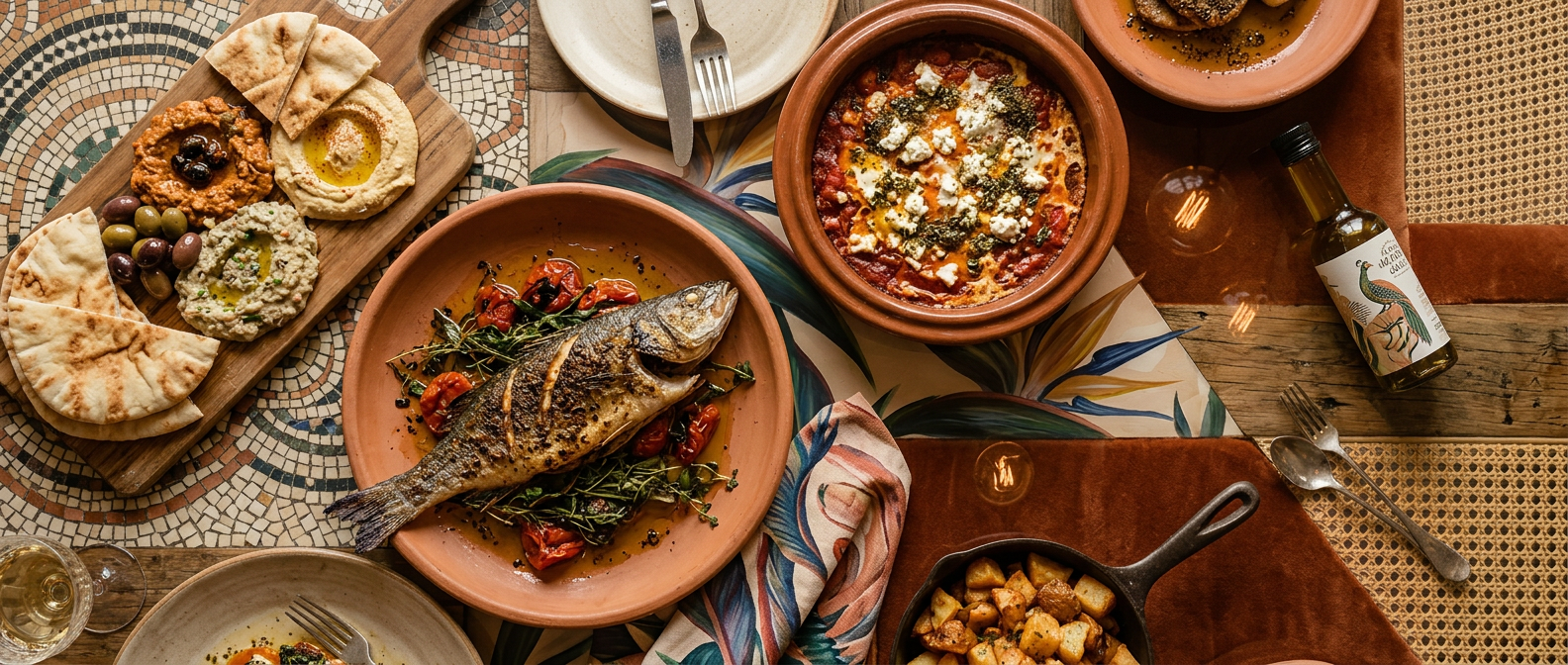
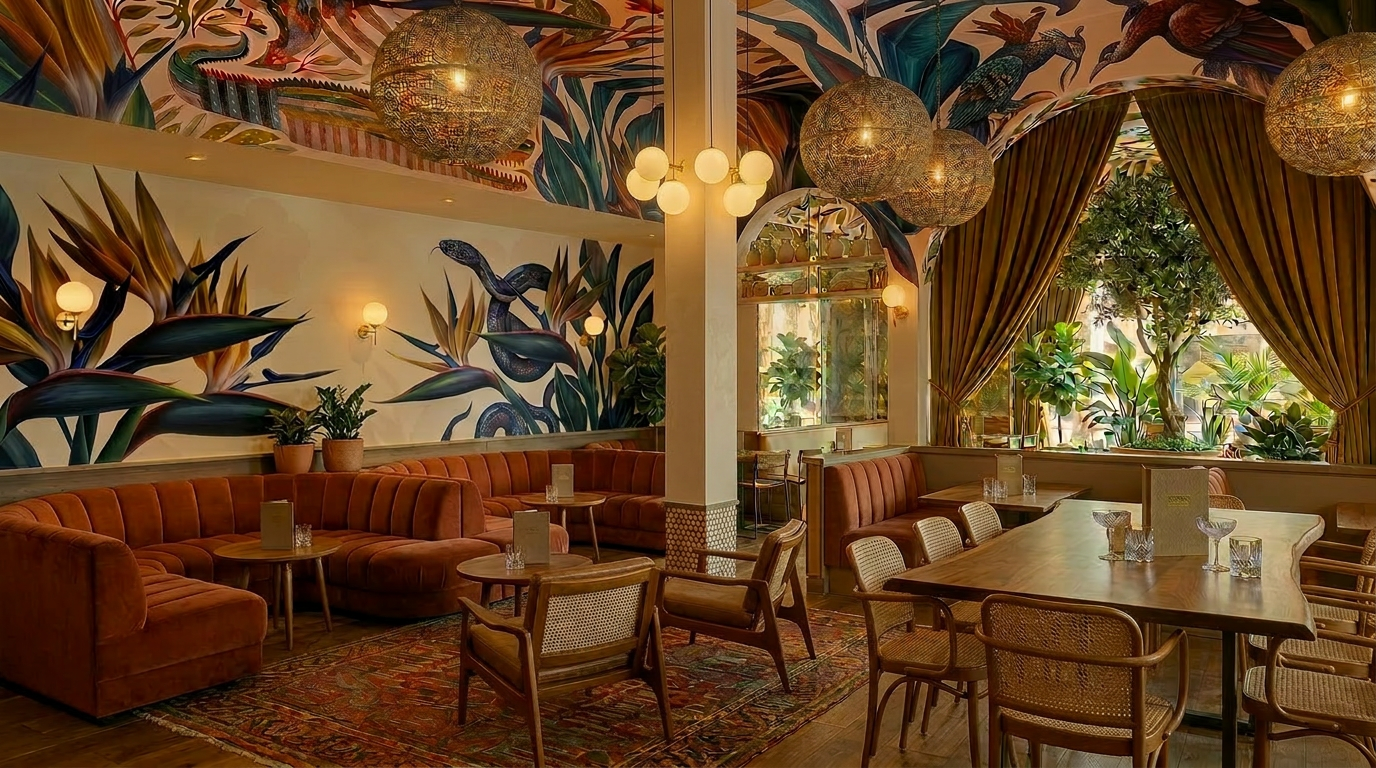
A fully developed venue concept and operating model, pitched for a prime Third Street Promenade location.

The Opportunity

A 5,800 sq ft venue adjacent to Third Street Promenade — currently underperforming, with the landlord ready to bring in a serious operator. The brief: a venue that anchors the next chapter of the Promenade, not another rotating tenant.

The Problem

Most new venues fail in the gap between concept and operation. A great brand idea handed to the wrong operator becomes generic. A strong operator with no concept becomes tired. The two skills sit in different people, and projects break in the handoff. Landlords get burned. Concepts get diluted. Districts pay the price.

The AJW Approach

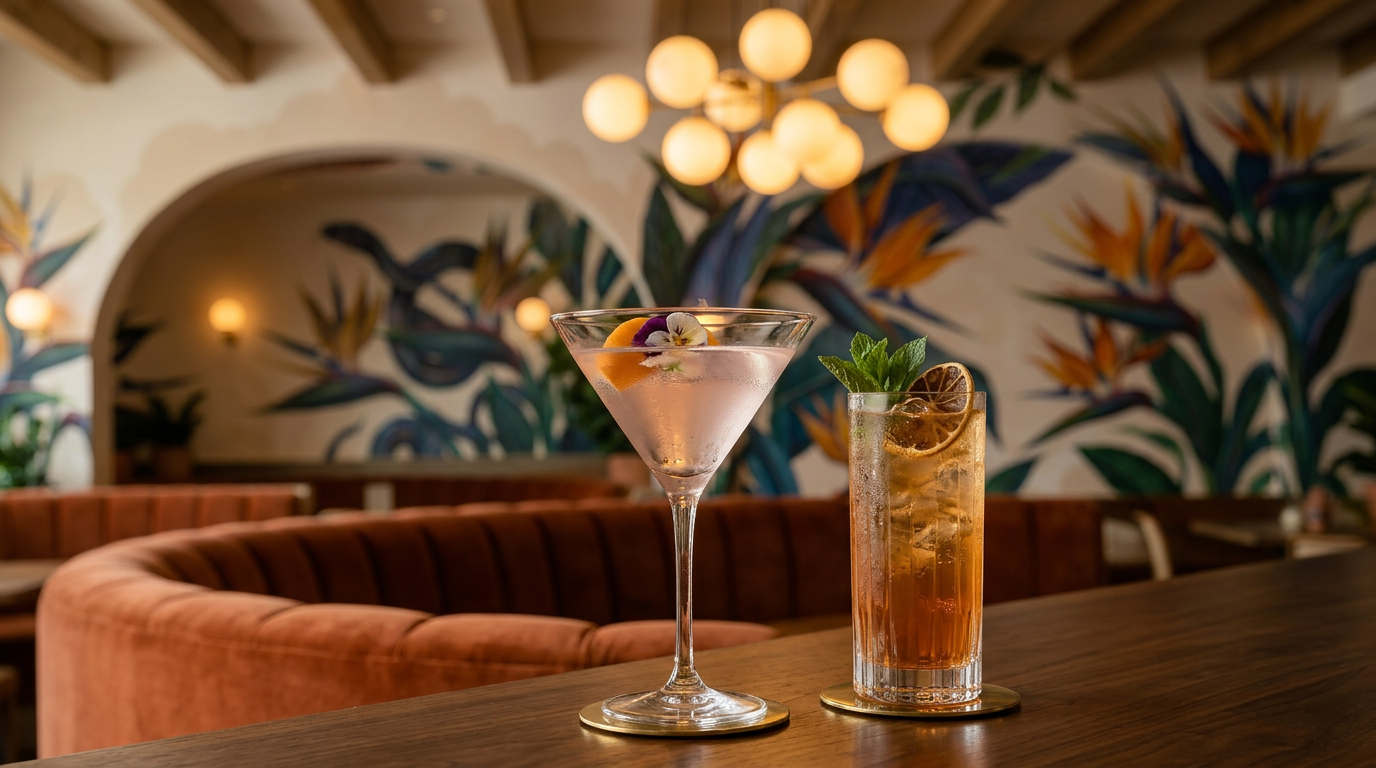
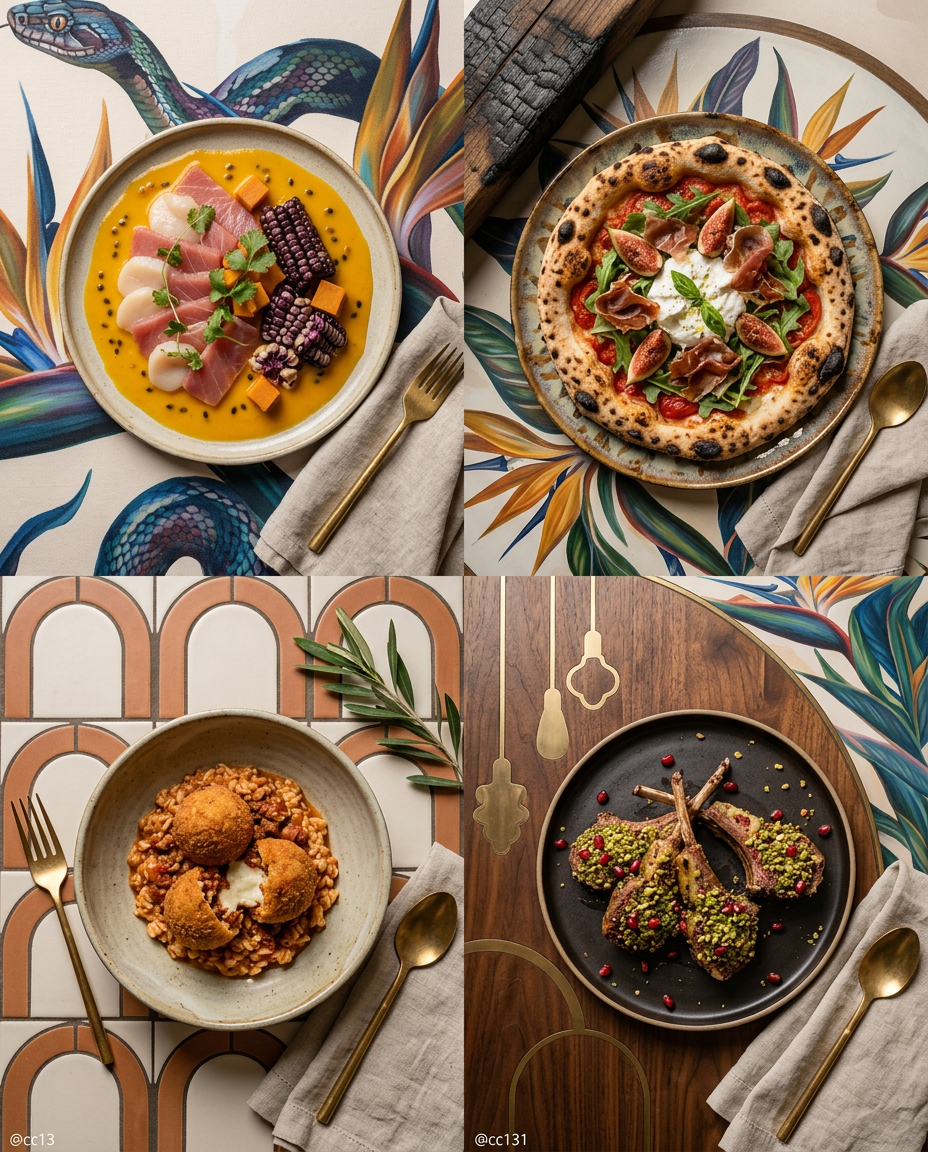
AJW developed the venue end-to-end. Concept, brand, day-to-night programming, interior direction, operational structure, financial model, and team. Plus custom software built specifically to streamline the opening — covering deal structure, capex, funding, team, contacts, buildout, budget, and opening-day readiness. Pitched directly to the landlord as an operator partnership, not a tenant lease.

What Was Created

A complete venue concept ready to deploy. Brand, programme, interior direction, operational systems, and the custom software running underneath. An active partnership conversation with the landlord. The flagship venue model for the broader Third Street rejuvenation.

Strategic Value

AJW develops venues end-to-end before construction starts — concept, brand, operating model, and the tools to run it, all built and ready. The model for how new hospitality should be brought into a district: by an operator with the full stack, not handed off in pieces.

Discuss a similar engagement

Hyde
T-Mobile Arena.

Las Vegas · 2016 · Opened with sbe

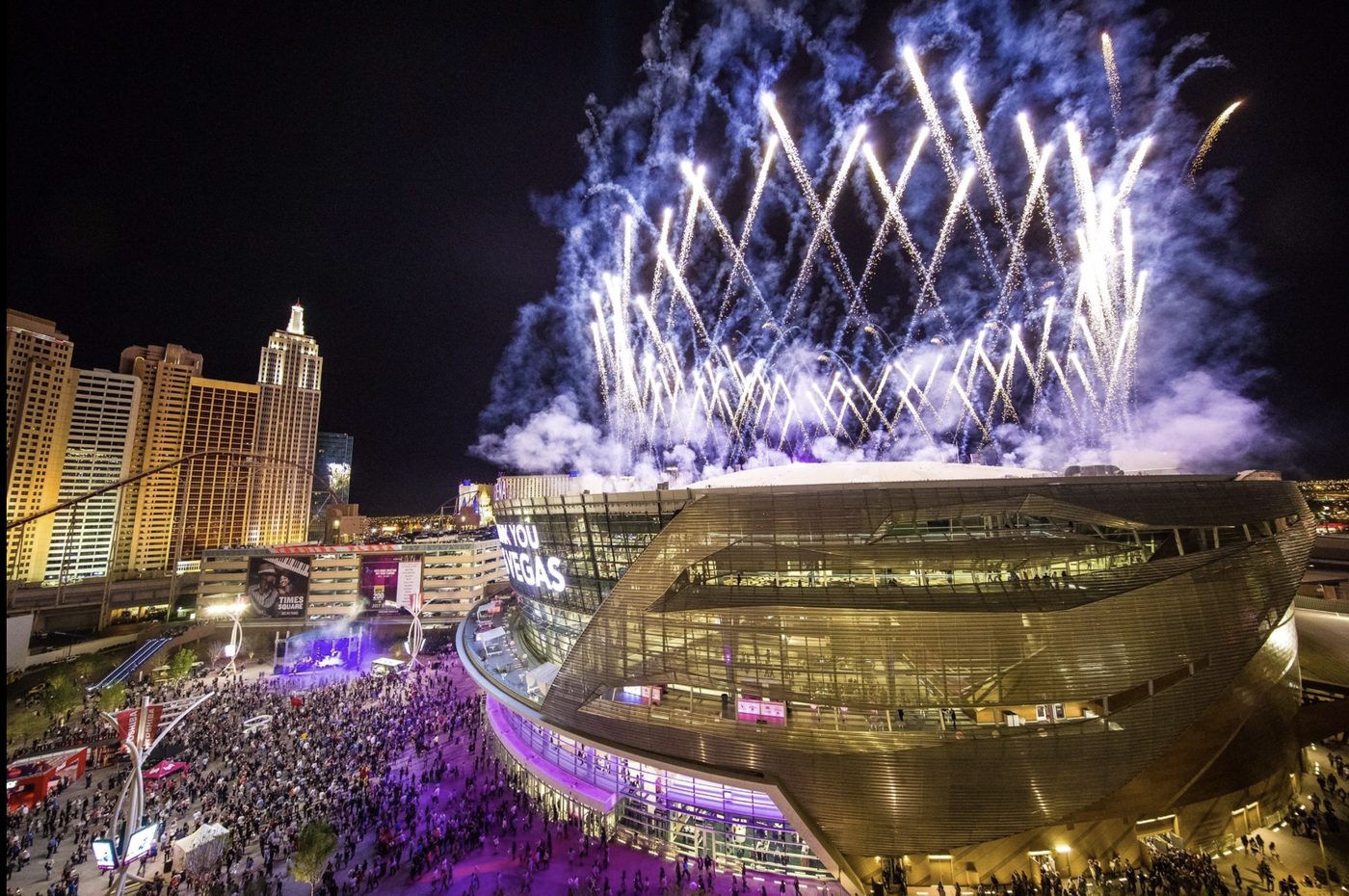
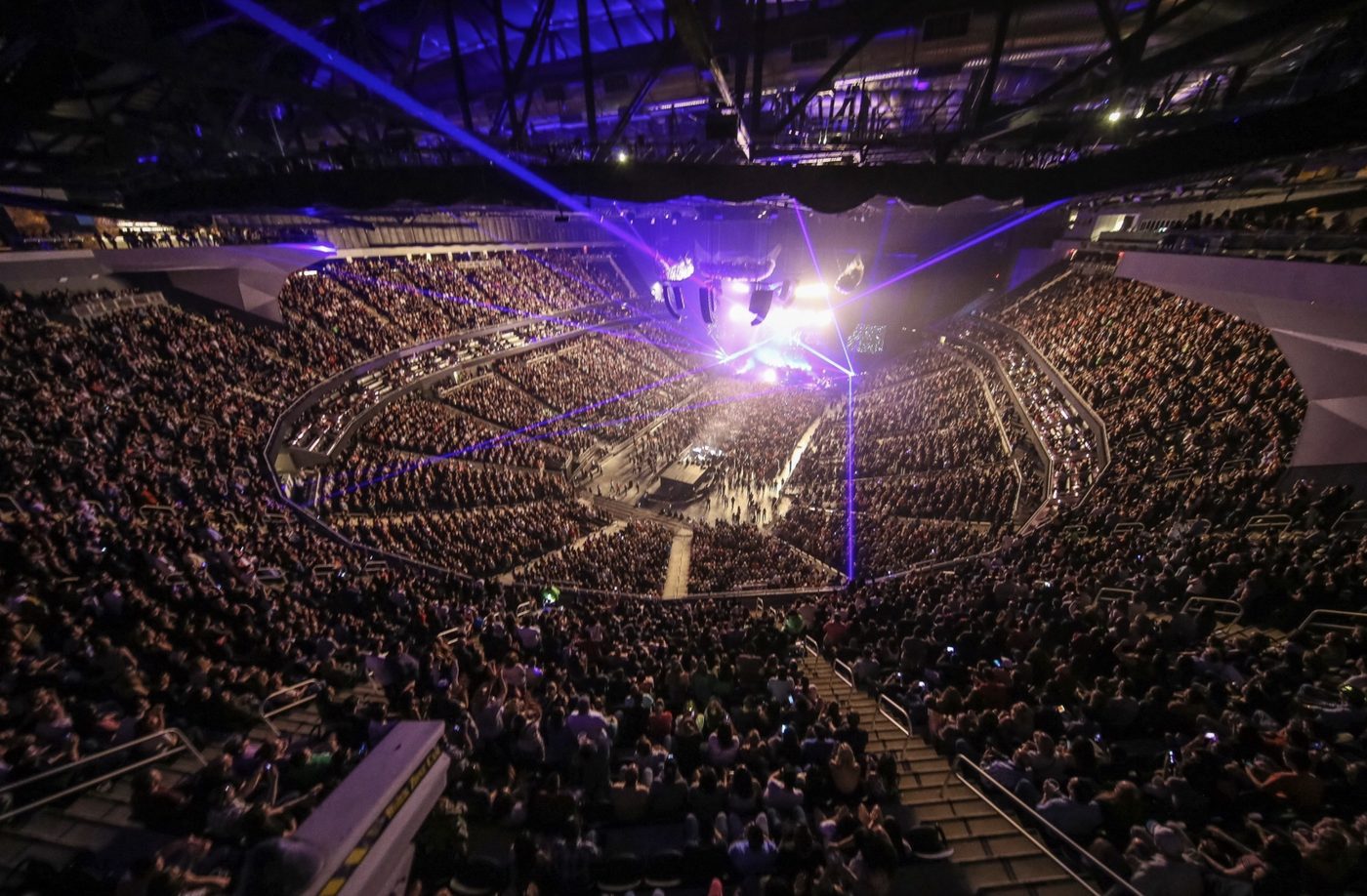
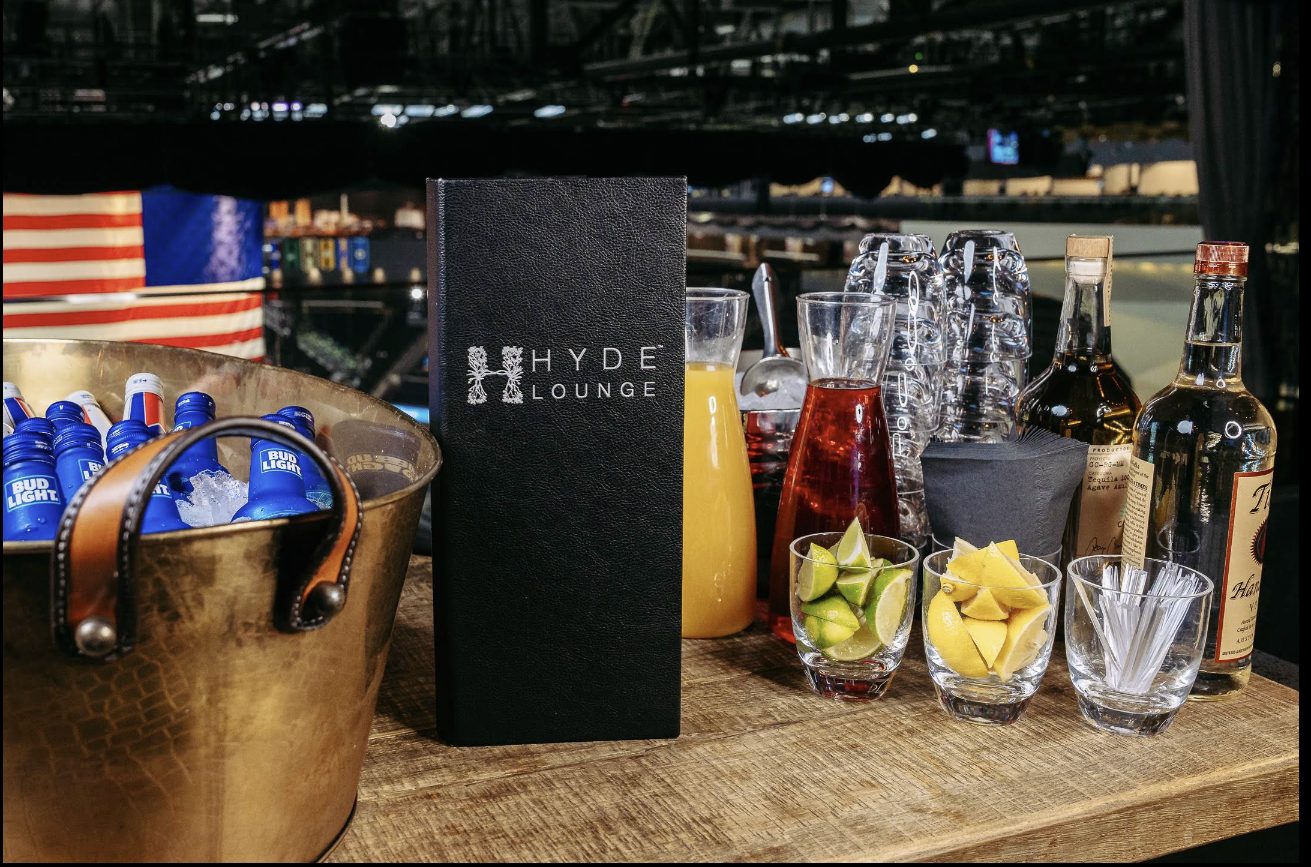
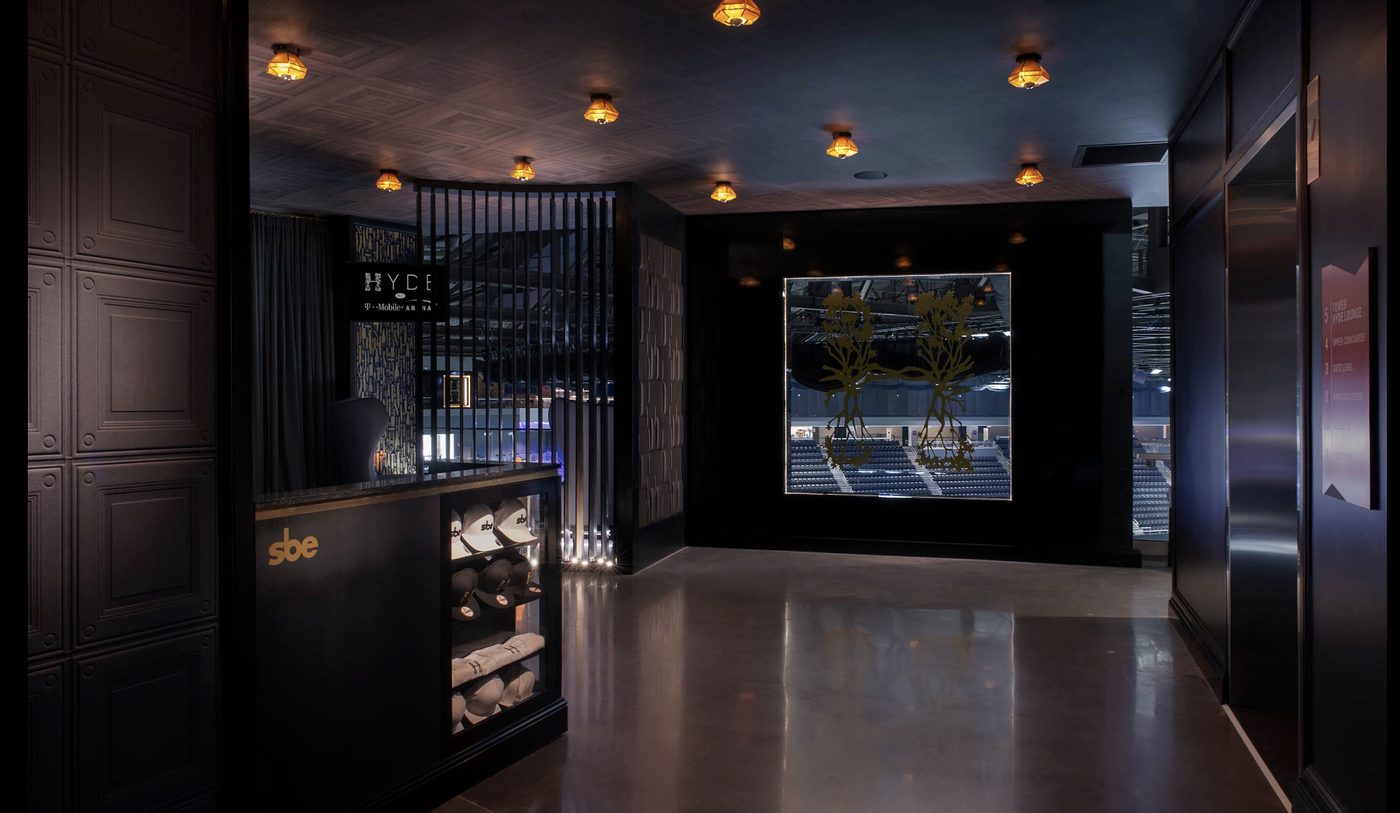
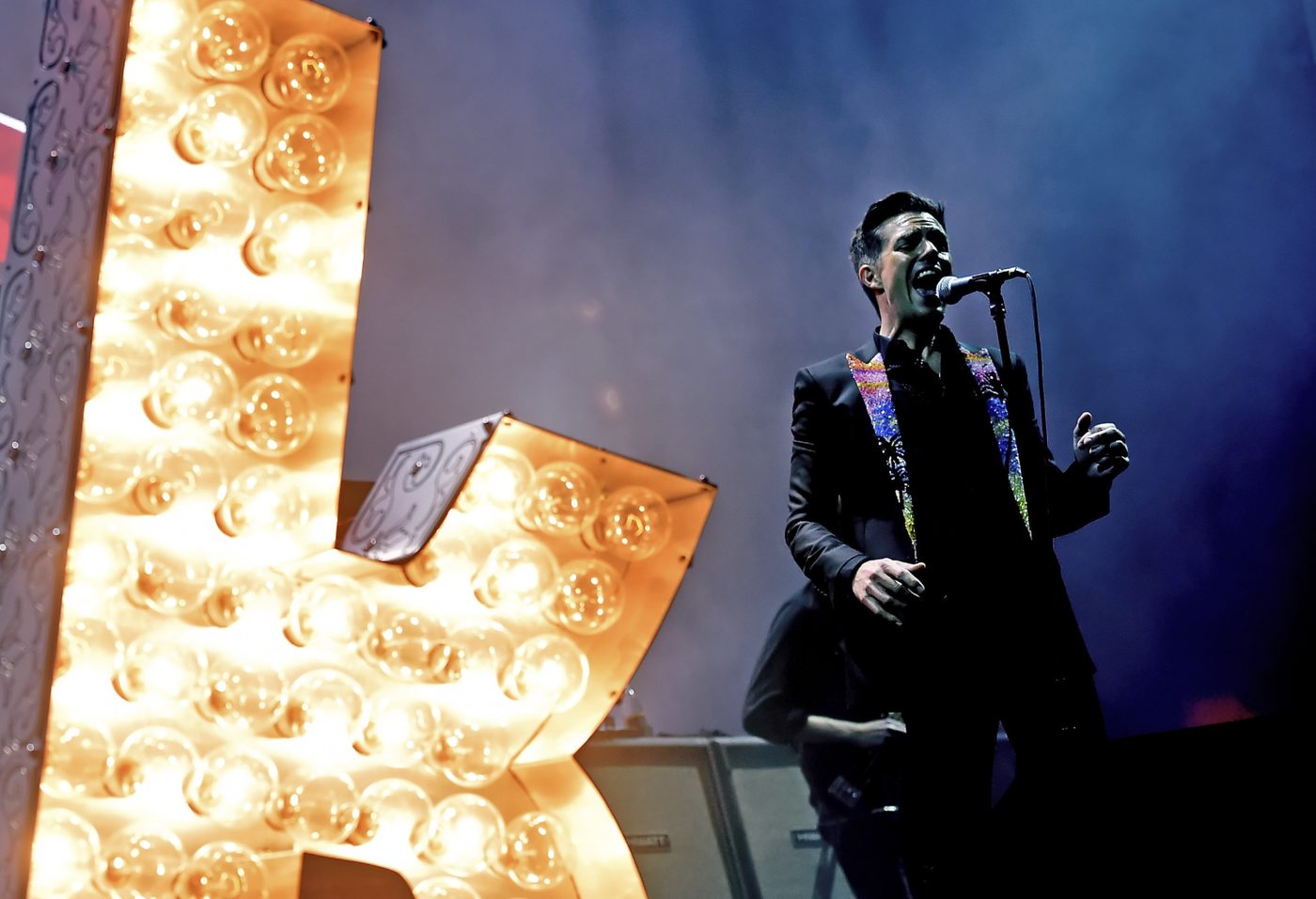
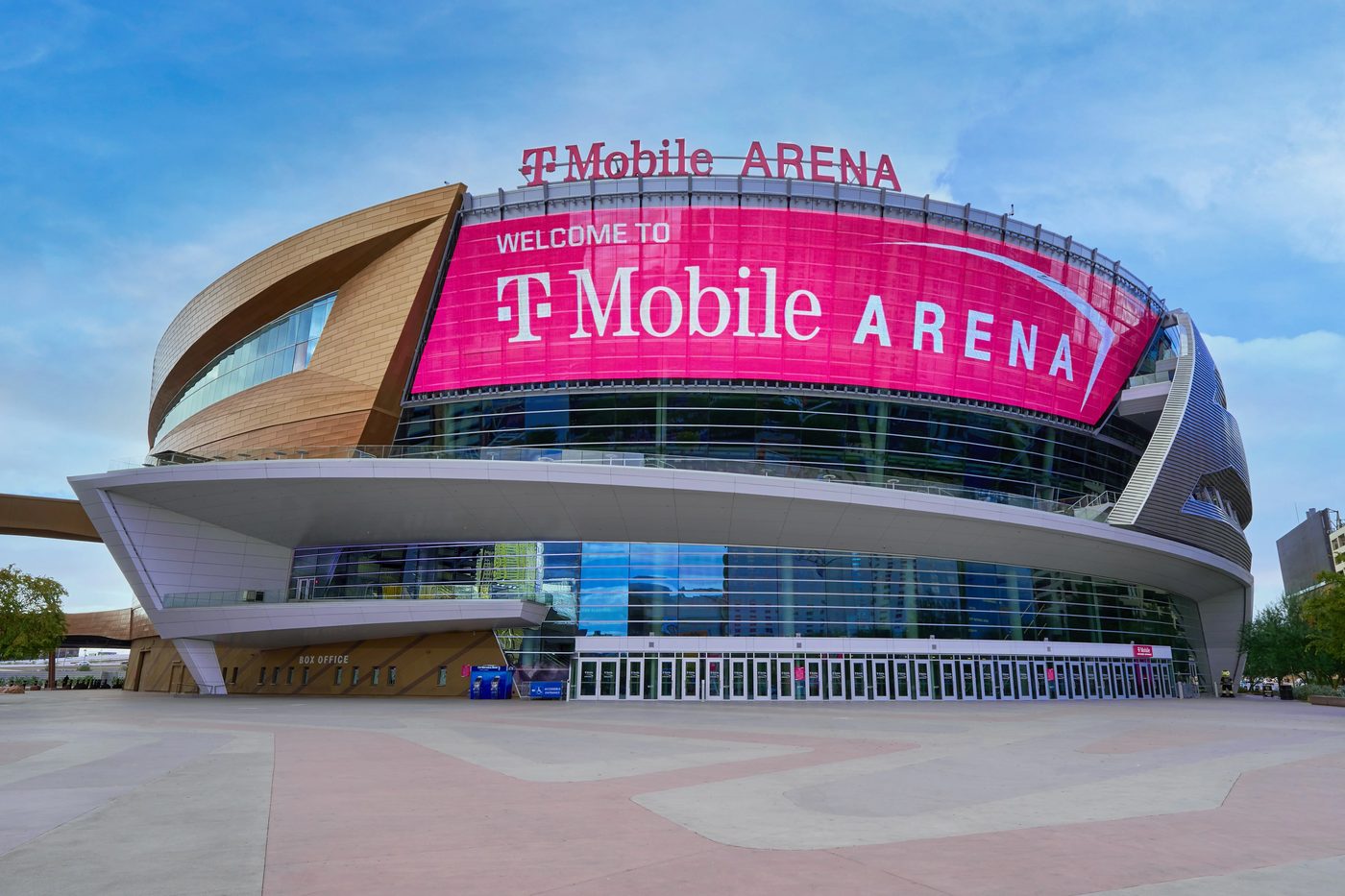
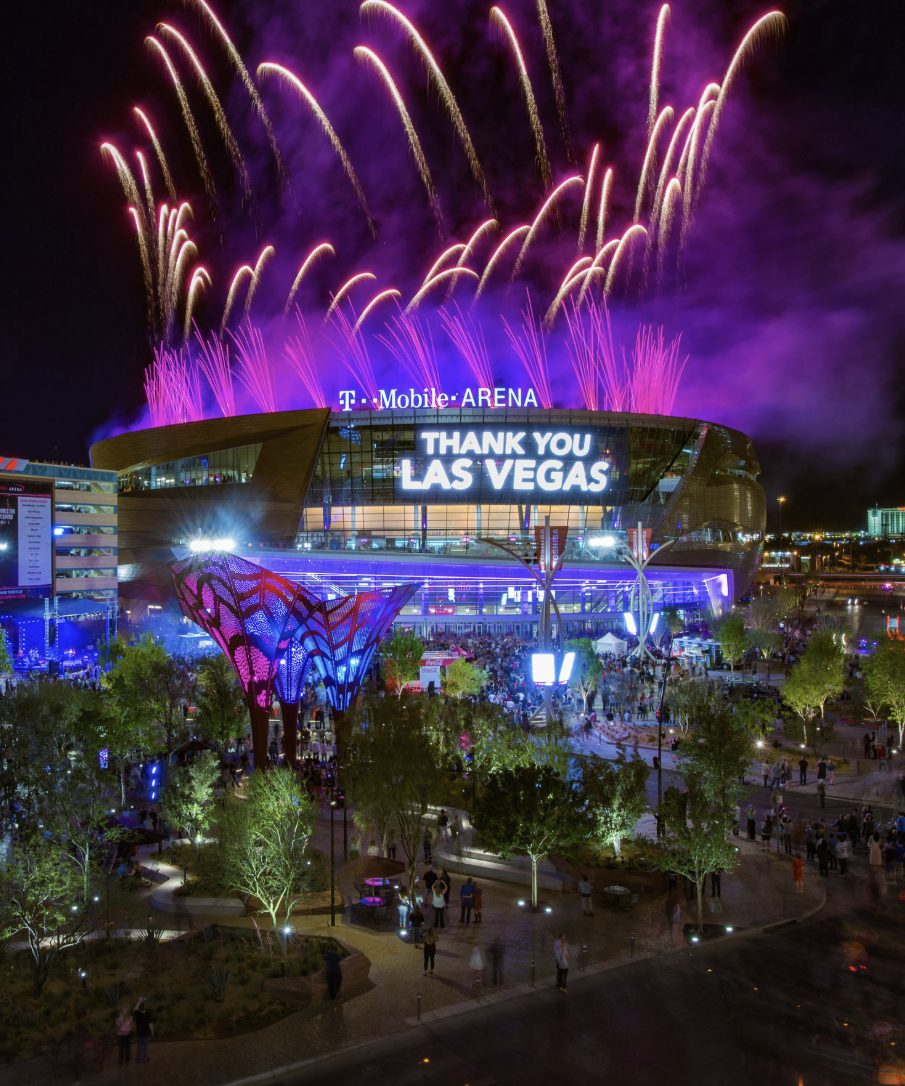
The exclusive lounge inside T-Mobile Arena - opened for the arena's grand opening, headlined by The Killers.

The Opportunity

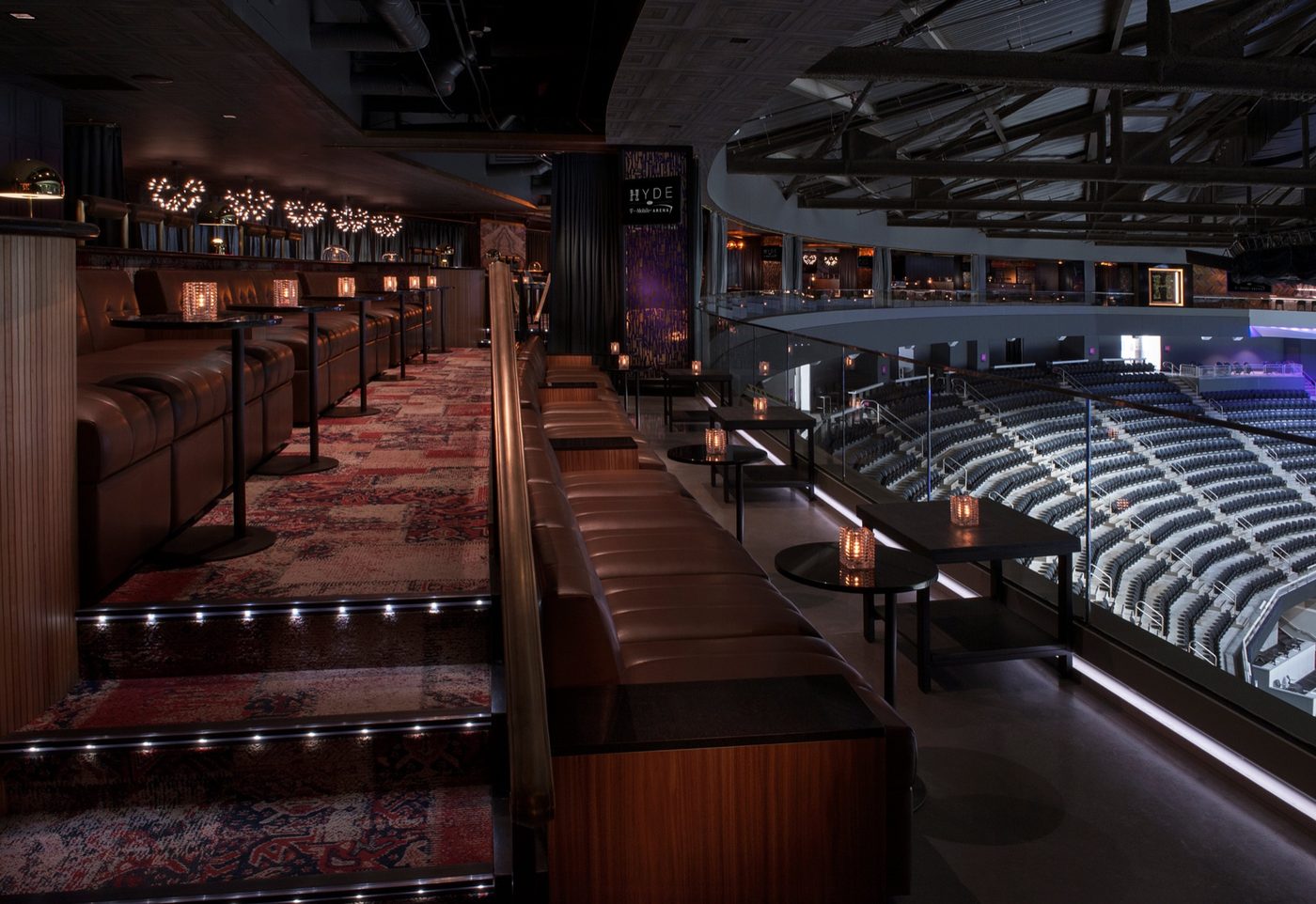
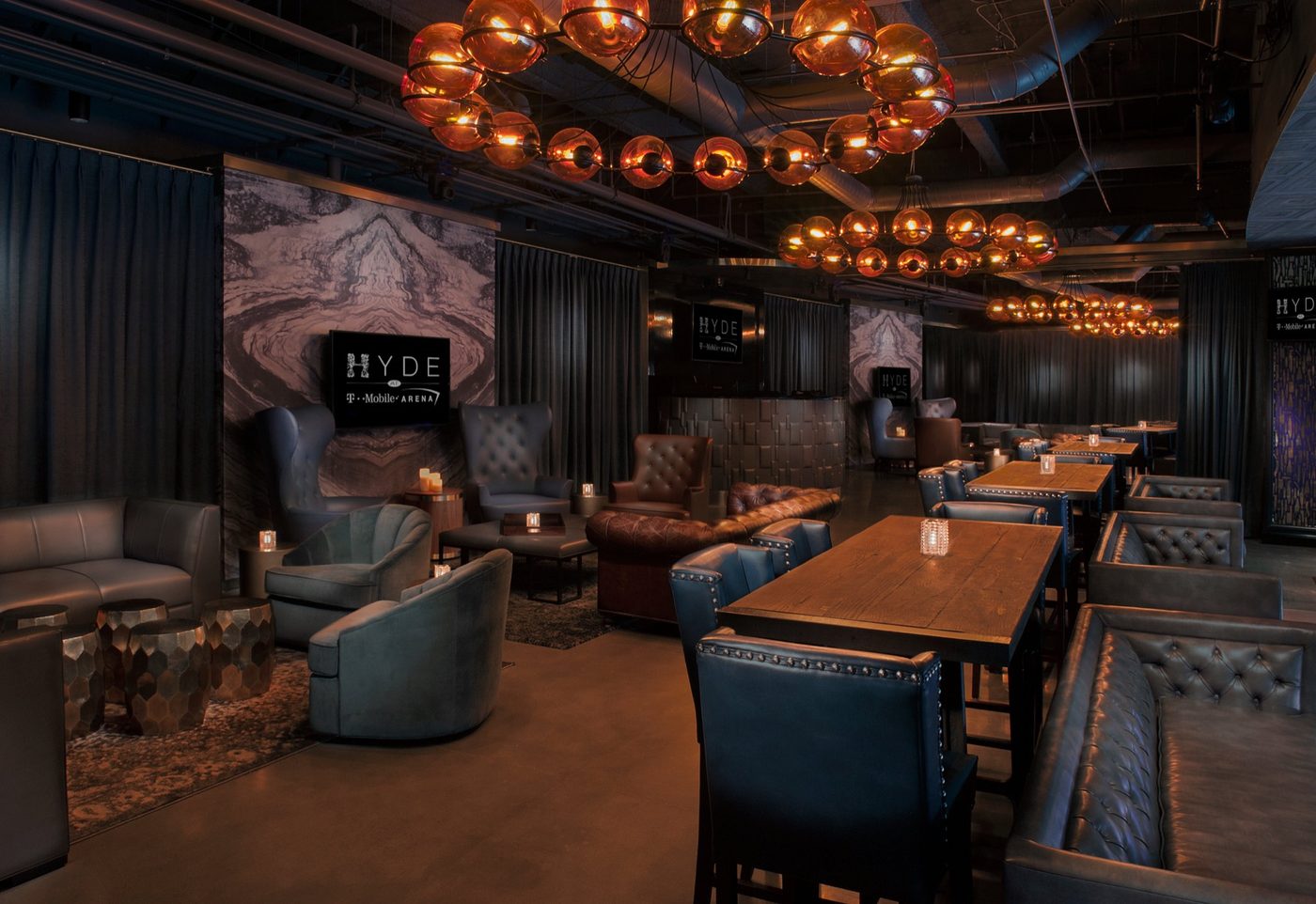
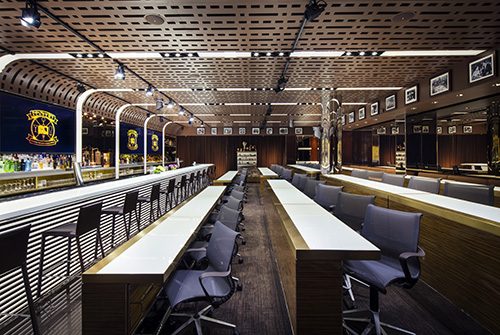
sbe was opening Hyde Lounge - the exclusive nightclub inside the brand-new T-Mobile Arena - and it had to be fully operational for the building's grand opening on April 6, 2016: the night The Killers christened the arena. An 18,000 sq ft, 700-guest room on platforms cantilevered over the bowl, with the whole city watching.

The Problem

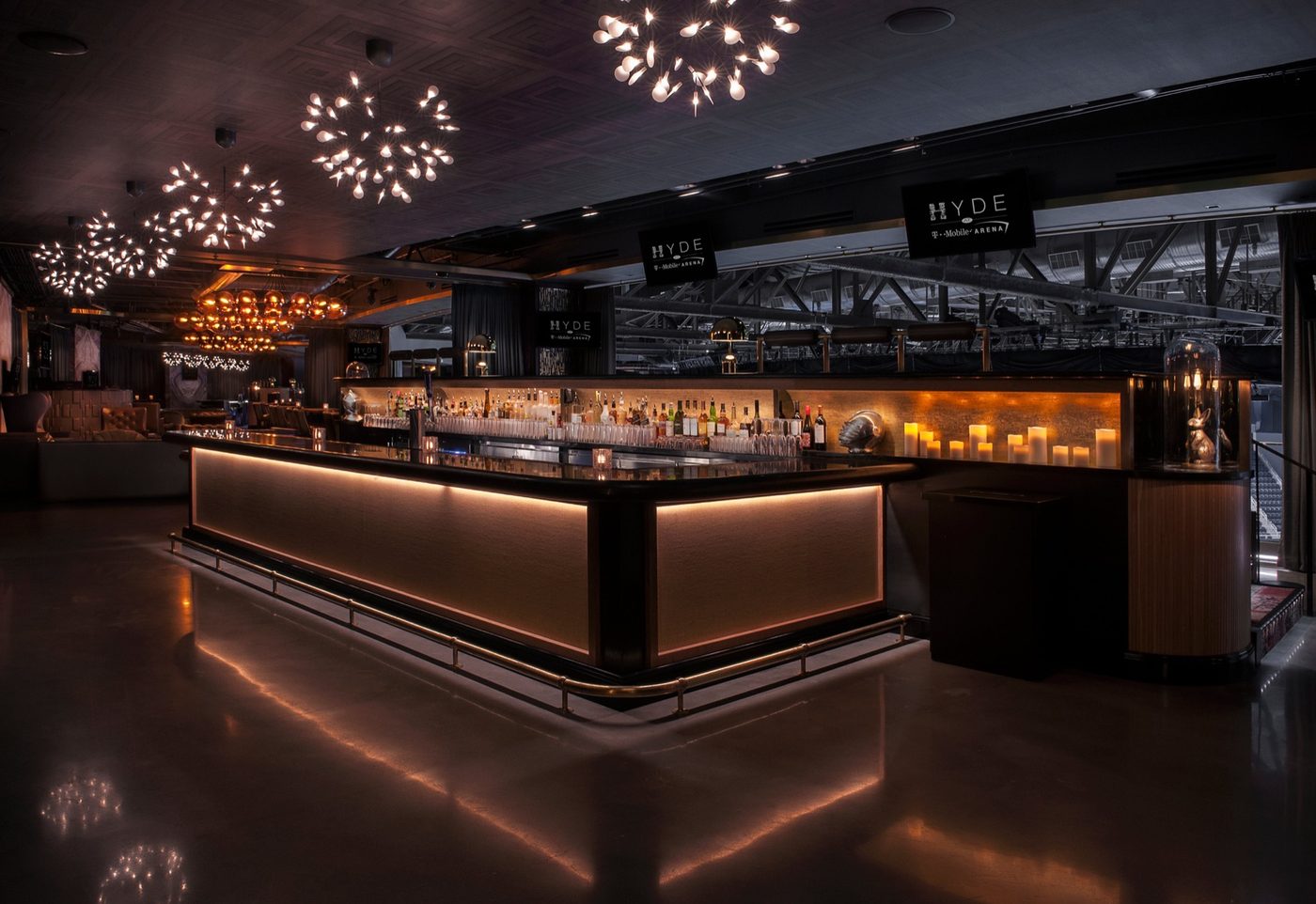
A room this size doesn't open itself. Five bars, a cocktail program written from scratch, and an opening team of more than 100 who had never worked together - all against a deadline that would not move. The doors open the night the headliner plays, ready or not. Openings at this scale usually slip; this one couldn't.

The AJW Approach

AJW flew in and ran the opening on the ground for a month. We built and trained the bar team from scratch at the Southern Wine & Spirits academy, wrote the full cocktail program, and set up all five bars - a service well, a Grey Goose bar, a Stella Artois bar, and two cocktail bars - then drilled the floor day in, day out until table-side service over a live arena ran like clockwork.

What Was Created

An 18,000 sq ft, 700-capacity lounge open and firing on opening night - five working bars, a complete cocktail menu, and a crew of over 100 delivering table-side service above a sold-out arena as The Killers played. From that night on, the lounge opened for every event at T-Mobile Arena, looking out over the floor.

Strategic Value

Proof AJW can parachute into a high-stakes, fixed-deadline opening at any scale and deliver - team built, program written, bars running, floor trained. The largest and most complex opening in the AJW portfolio, executed end to end under the brightest lights in Las Vegas.

Discuss a similar engagement

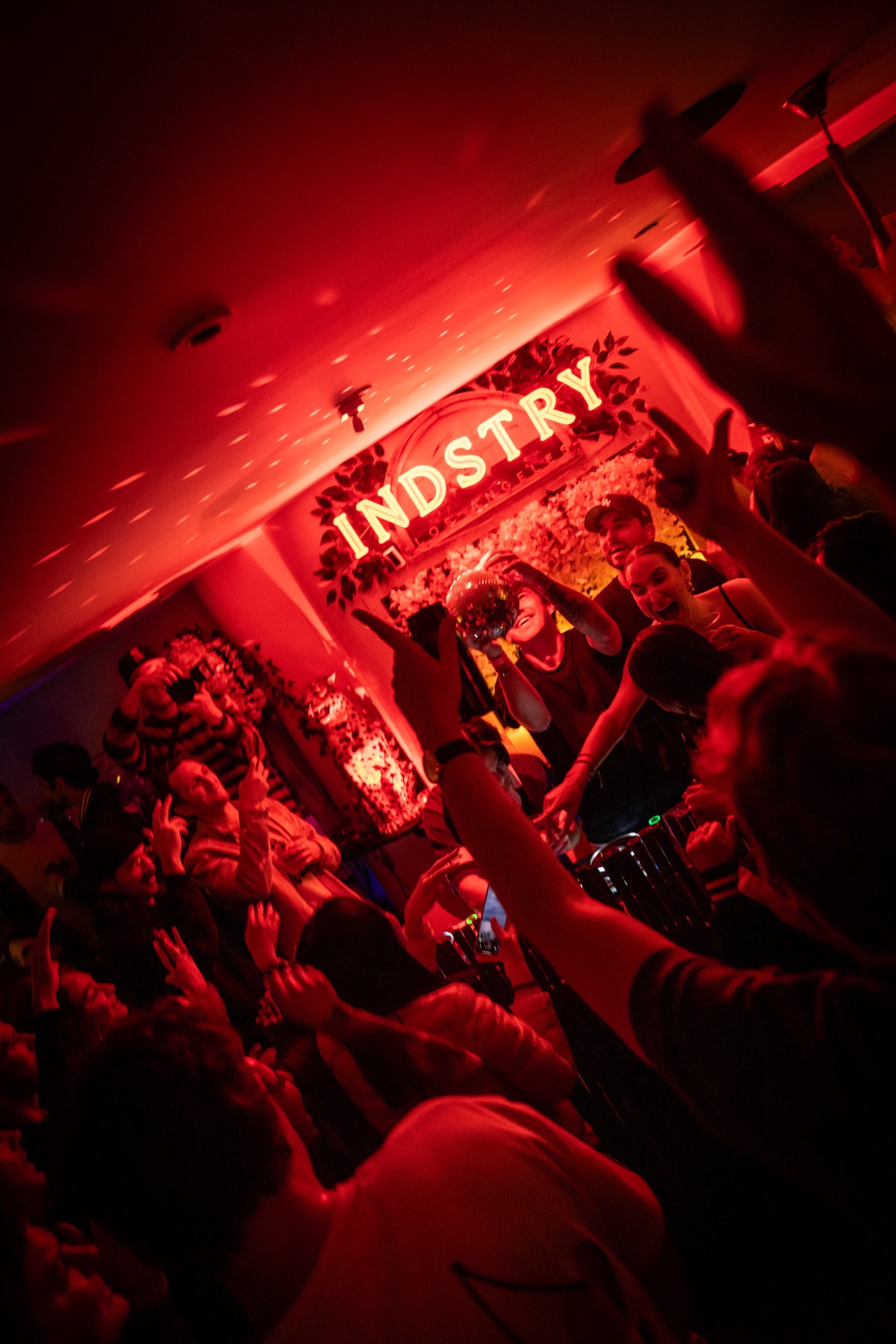
INDSTRY
Los Angeles.

Founder · Cultural Programming · Los Angeles · 2022

A platform built to bring the right crowd into the right venues - consistently.

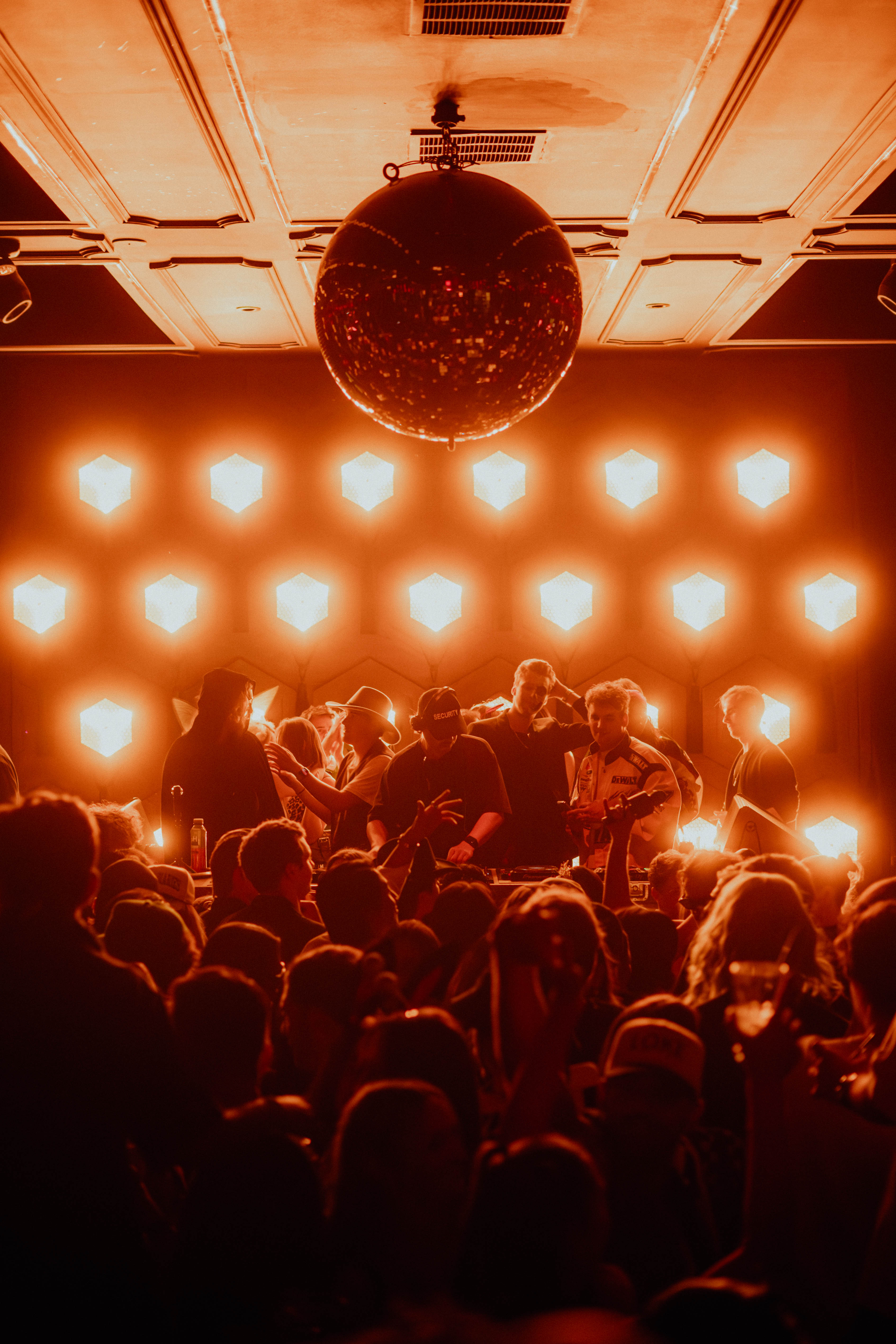
Focused on programming that drives foot traffic, shapes the room, and builds momentum around a venue.

The Opportunity

Most venues rely on external promotion to fill rooms. Audiences are inconsistent, energy fluctuates, and there's little control over who shows up. The opportunity was to build something different - a self-sustaining crowd, shaped by a clear standard of what a night out should feel like.

The Problem

When venues chase volume, they lose control of the room. The wrong crowd shows up, energy drops, and the experience becomes unpredictable. Without consistency, it's difficult to build loyalty, identity, or momentum.

The AJW Approach

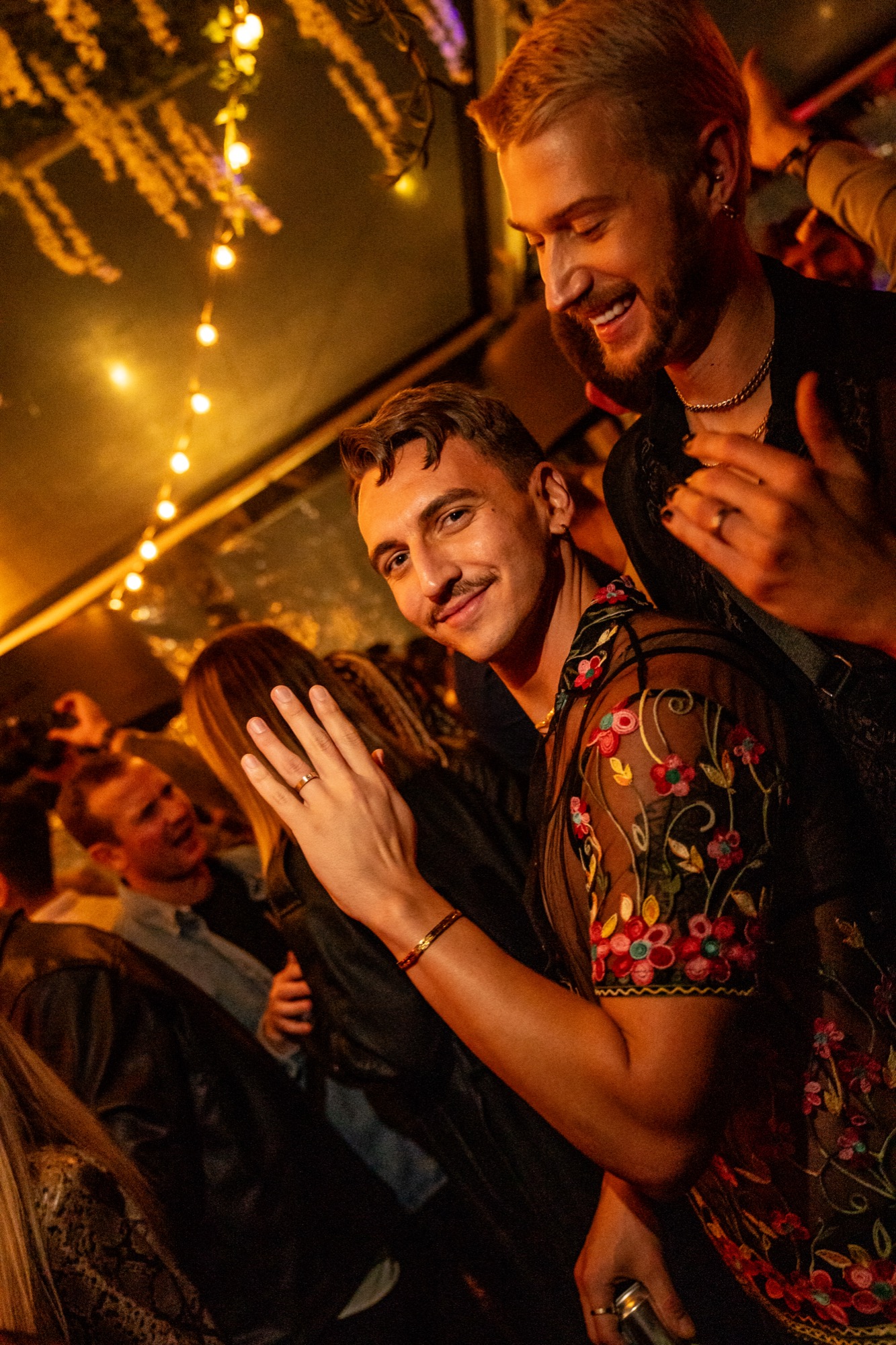
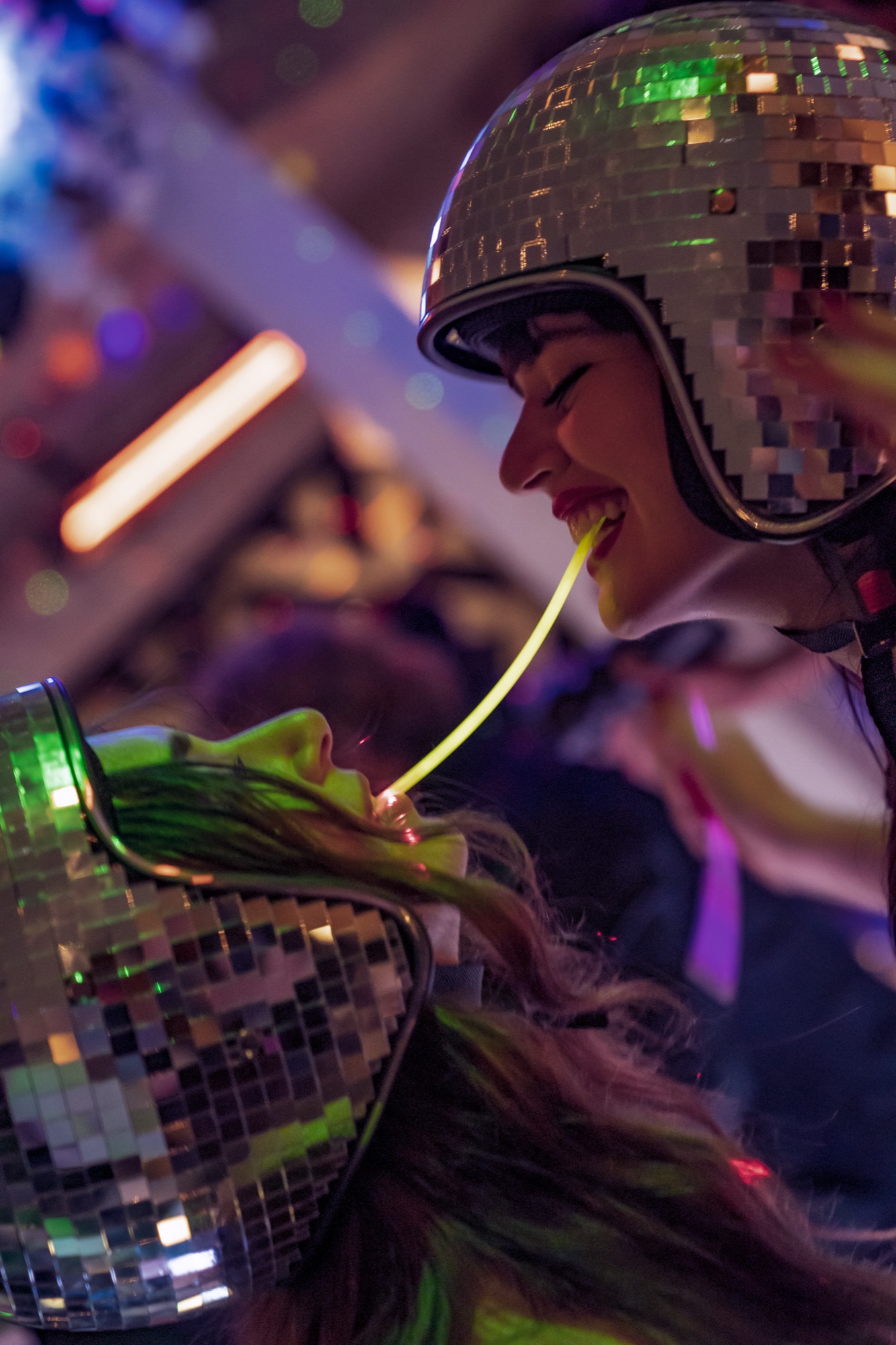
INDSTRY was built around a simple idea: hold a standard, and the right people follow. Programming focused on creating an environment where people felt comfortable, looked after, and part of something. Not one-off events, but consistent nights that developed their own audience over time.

Partnerships were treated the same way - only working with brands that fit the room and added to the experience, not disrupted it.

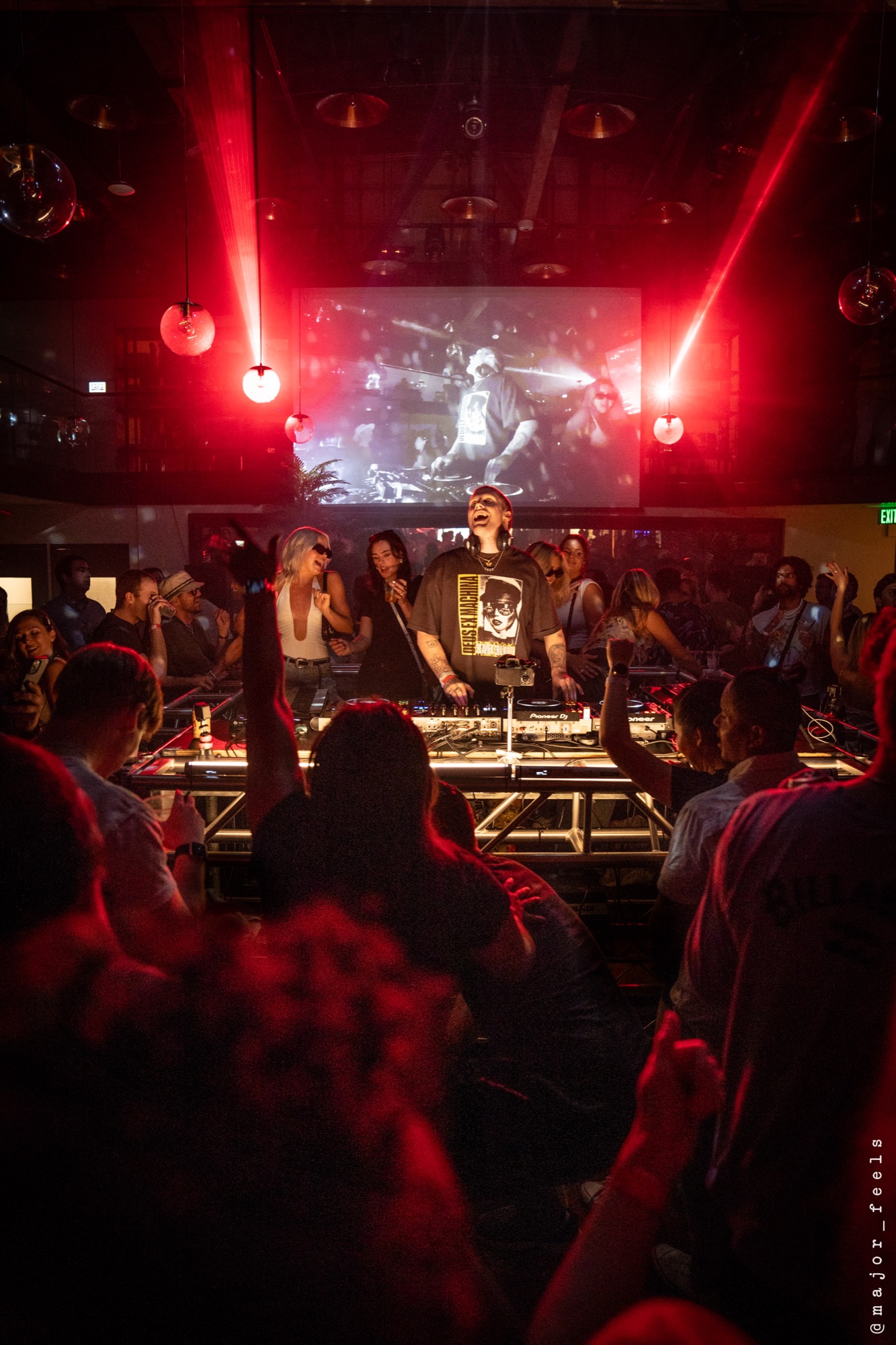
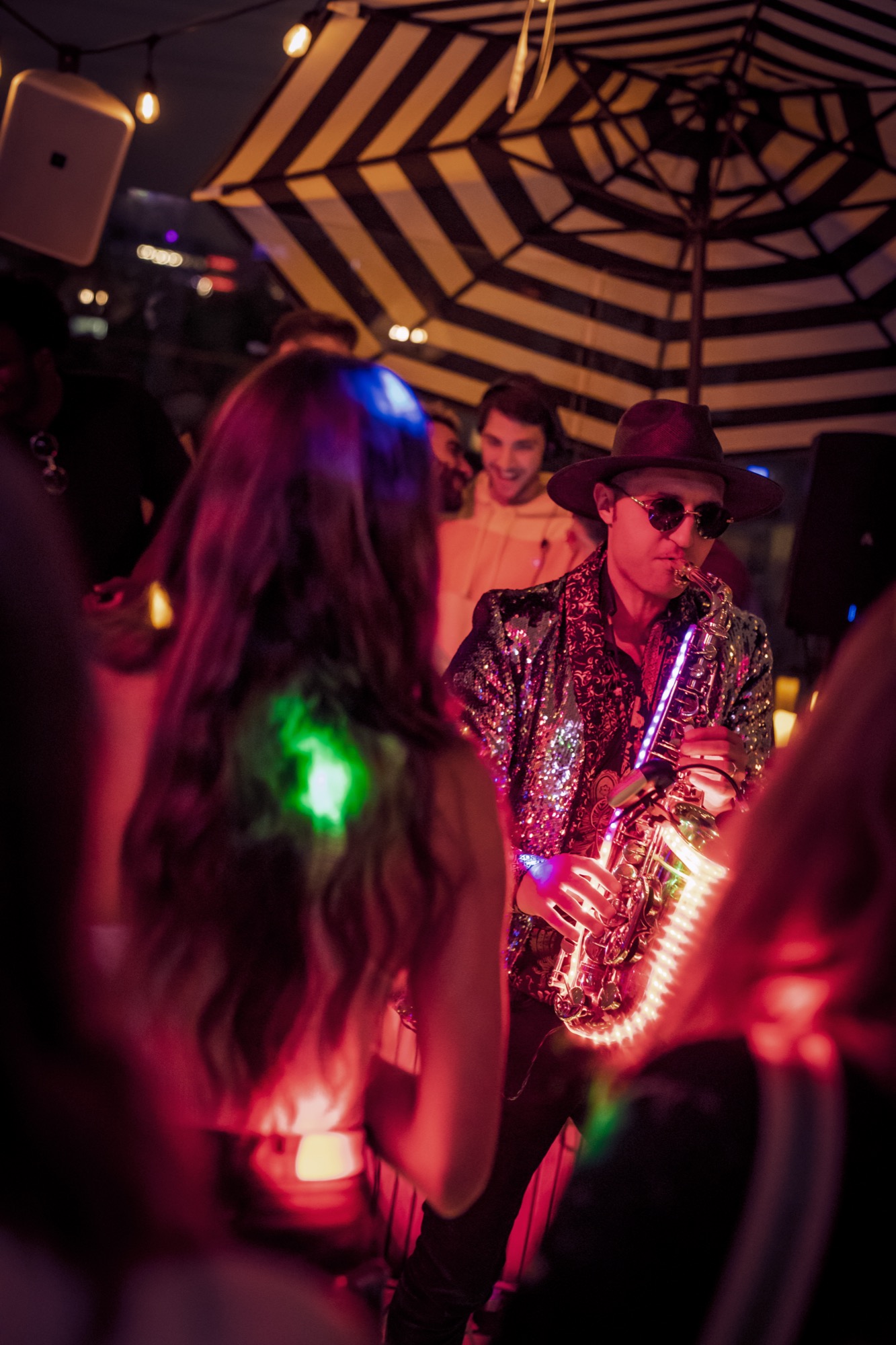
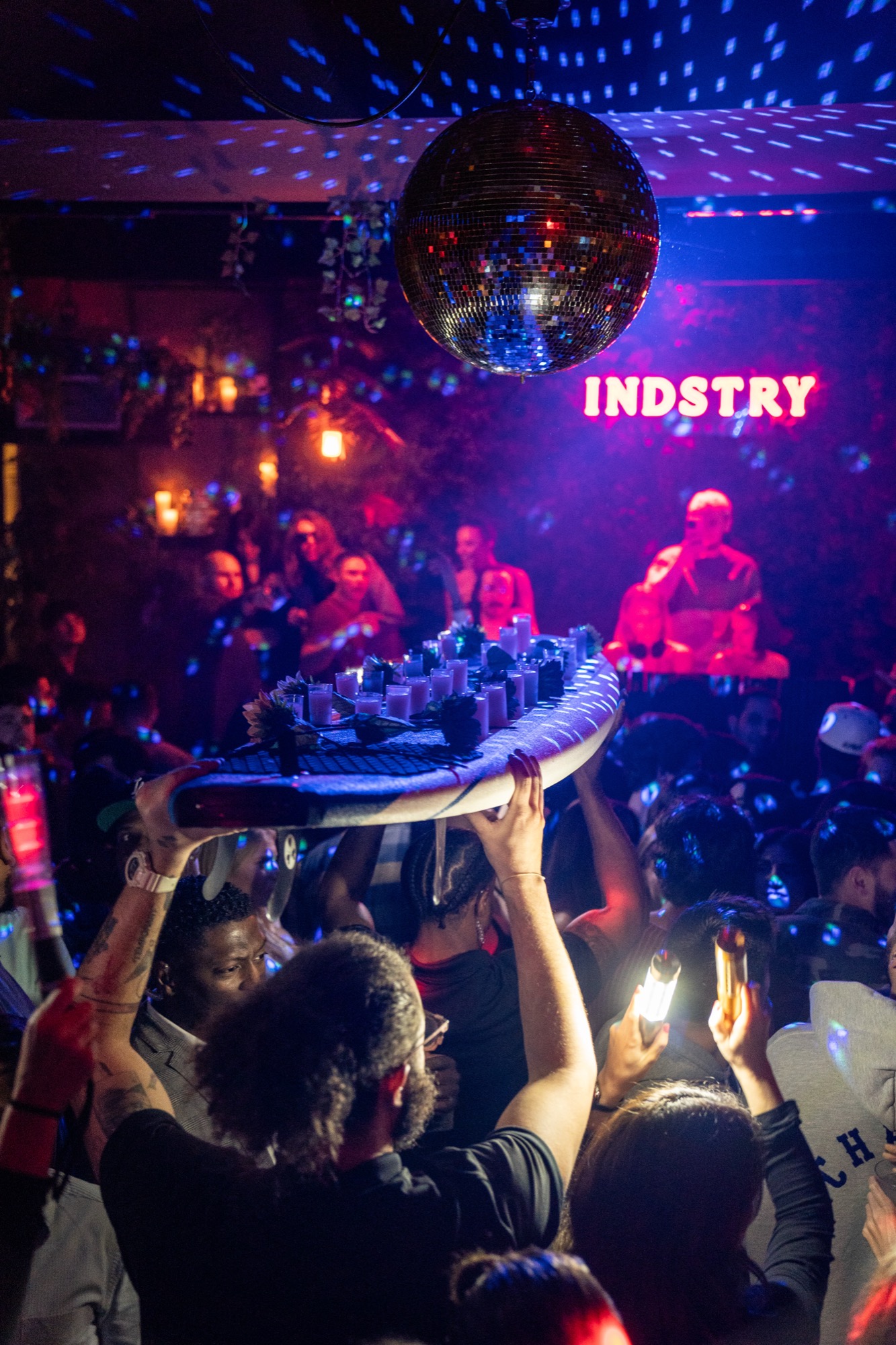
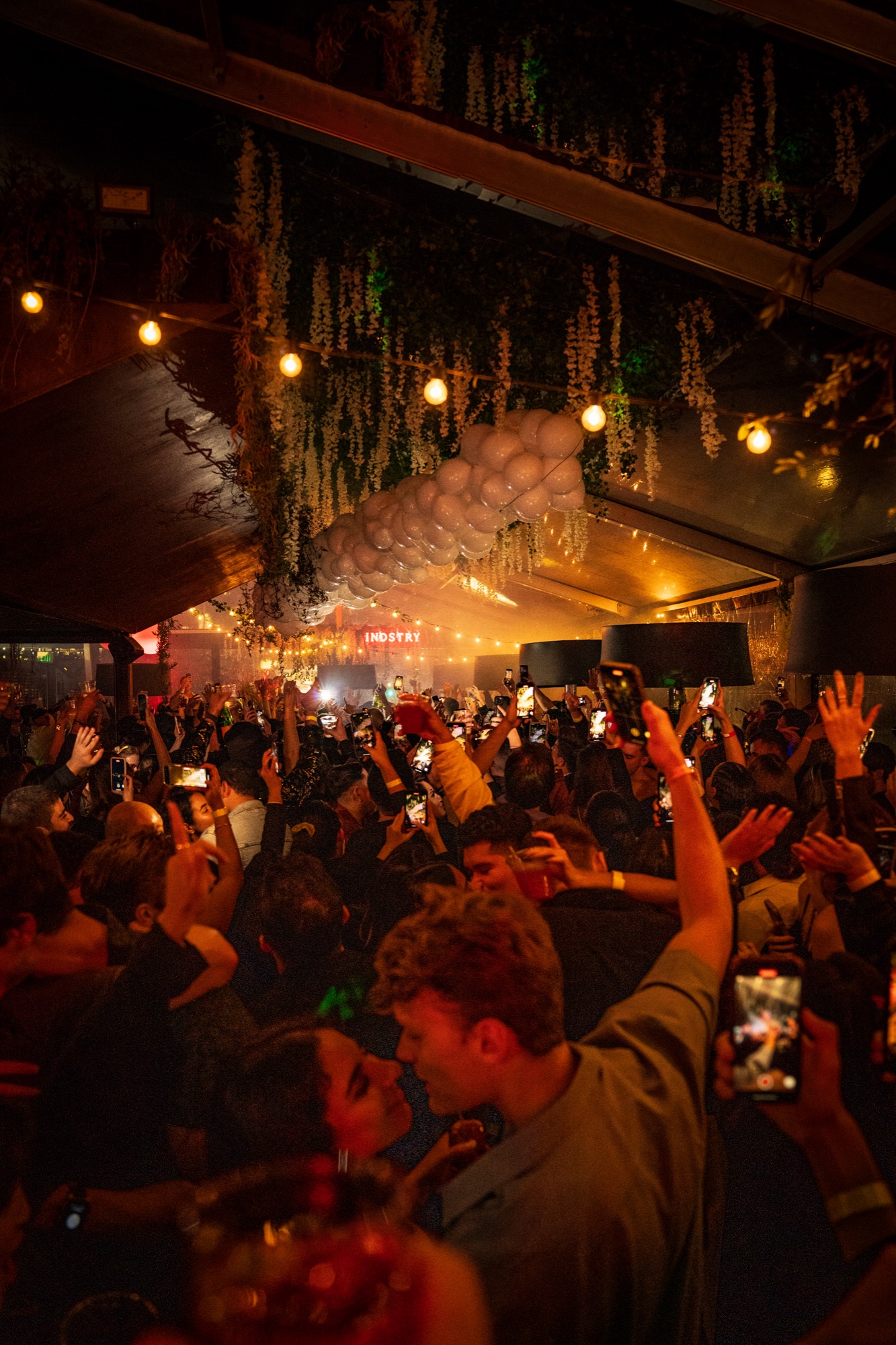
INDSTRY became LA's number 1 hospitality night during its run at Melrose Place - proof the model worked before it scaled.

What Was Created

A loyal, self-selecting crowd built around shared expectations of what a great night feels like. Consistently full rooms without relying on mass promotion. Brand partnerships with LVMH and Diageo that aligned with the audience and enhanced the environment.

INDSTRY scaled across LA in chronological order: Melrose Place, EP&LP, Hyde Sunset, Off Sunset, Coco Club Santa Monica, a one-off at 1212 Santa Monica, and Spotlight Hollywood - each venue with a programming approach tuned to the room.

Strategic Value

Audience control as a built capability. Building, shaping, and retaining a crowd — and integrating the right partners into that environment without compromising it.

Discuss a similar engagement

Have a venue, space, or opportunity?

Request a Conversation